
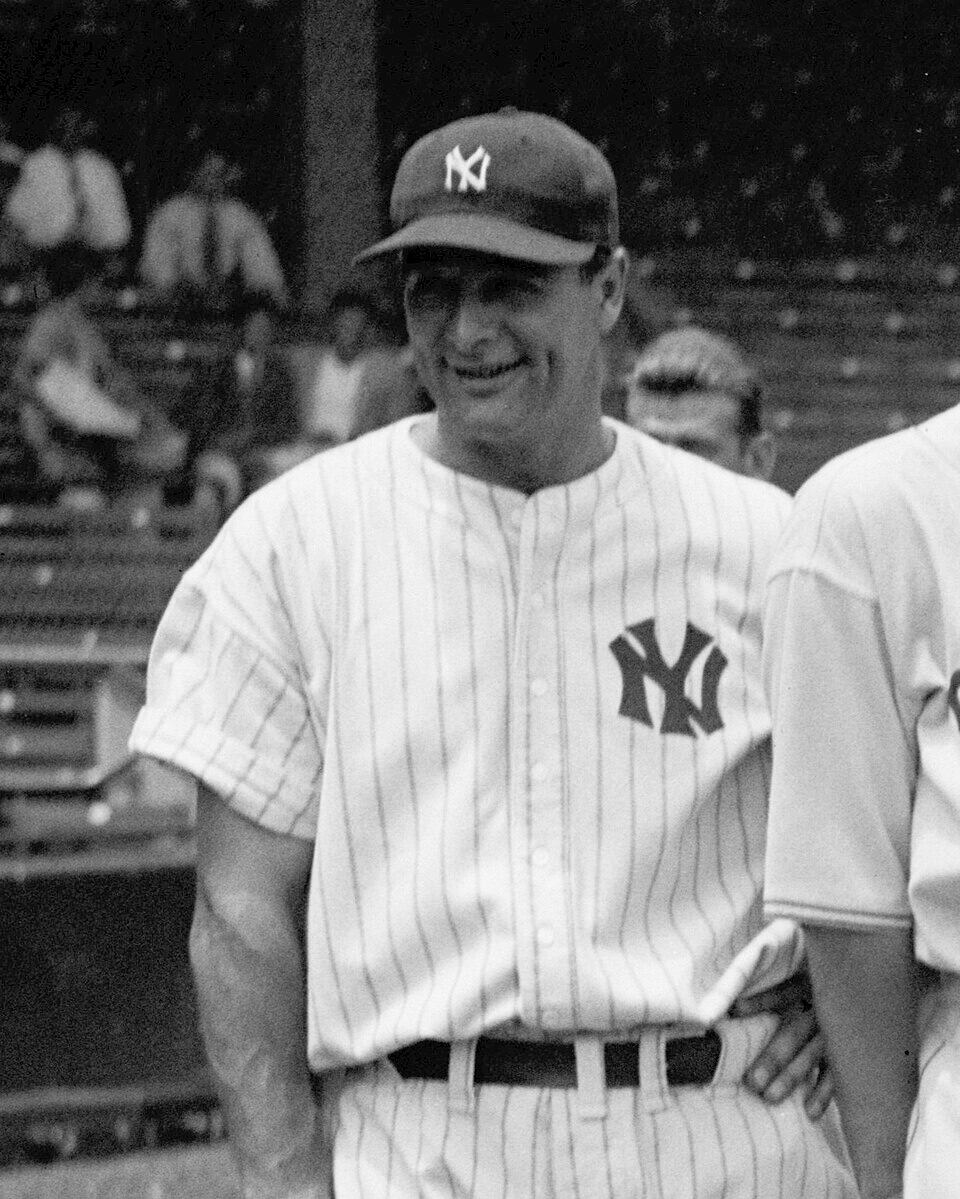
Henry Louis Gehrig (commonly known as Lou Gehrig, 1903–1941), who served as a first baseman for the New York Yankees in Major League Baseball starting in 1925, was given the title “The Iron Horse.” For the following 14 years, he established a record by playing in 2,130 straight games. This achievement remained unmatched for 56 years until Cal Ripken Jr. broke it in 1995.
“The Iron Horse” declared his retirement during the 1939 season following a diagnosis of amyotrophic lateral sclerosis (ALS), a disorder that gradually weakens motor neurons in the brain and spinal cord, leading to greater difficulty in movement. It later became commonly referred to as “Lou Gehrig’s disease.” British physicist Stephen Hawking was affected by this illness.
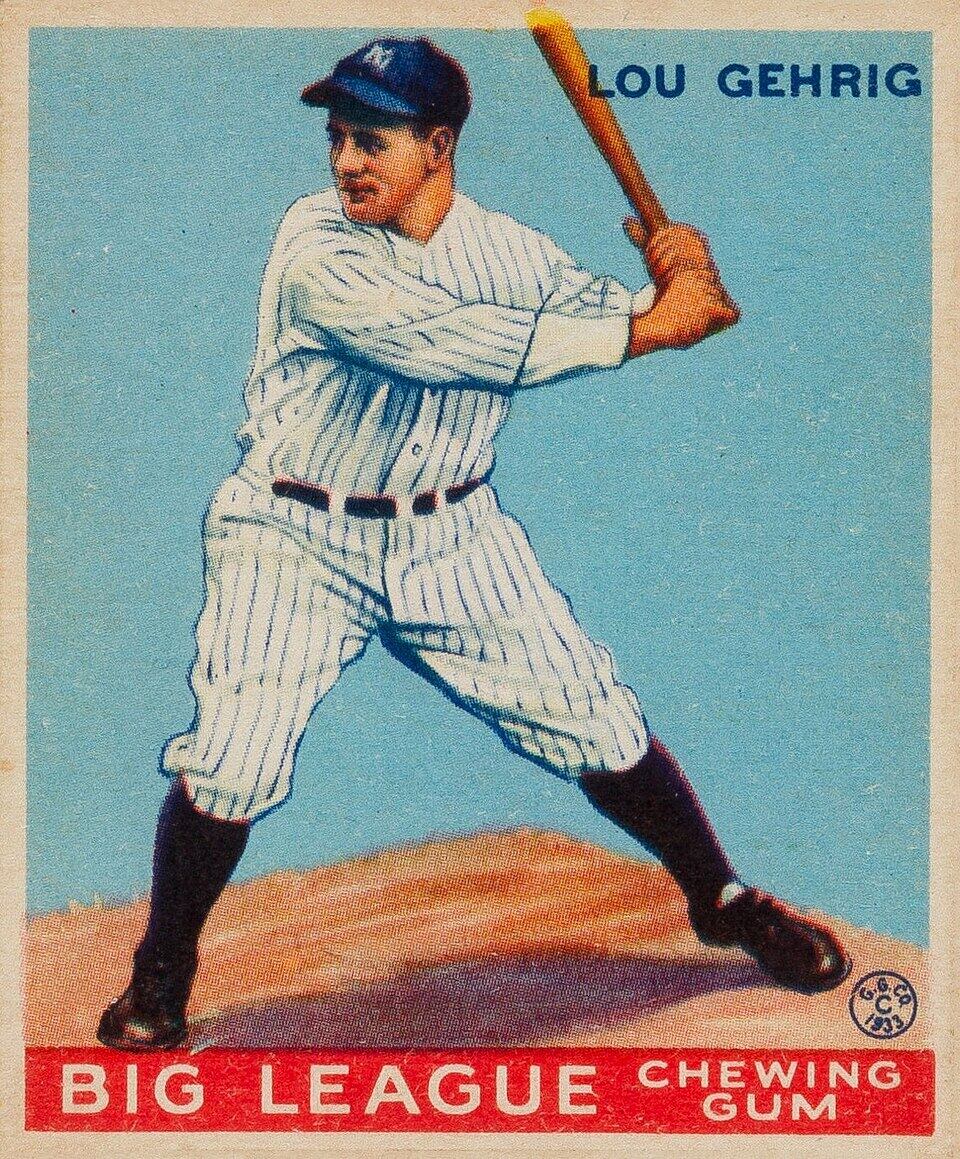
On July 4 of that year, Gehrig gave a retirement speech titled “The Luckiest Man on the Face of the Earth,” which brought listeners to tears. The Chosun Ilbo’s mini-column ‘Manmulsang’ mentioned Gehrig’s retirement event when legendary Korean baseball pitcher Choi Dong-won died.
“In 1939, Lou Gehrig, the first baseman who played with Babe Ruth in the New York Yankees’ ‘Murderers’ Row’ team, was at the microphone during his farewell ceremony. ‘Fans, you’ve heard about the tough time I’ve had in the last two weeks. But today, I feel like the luckiest man on earth…’ As Gehrig, using a handkerchief to wipe his tears, nearly fell and dropped the microphone, Ruth came over and hugged him. Audiences still remember this speech by heart.” (September 15, 2011, page A34)
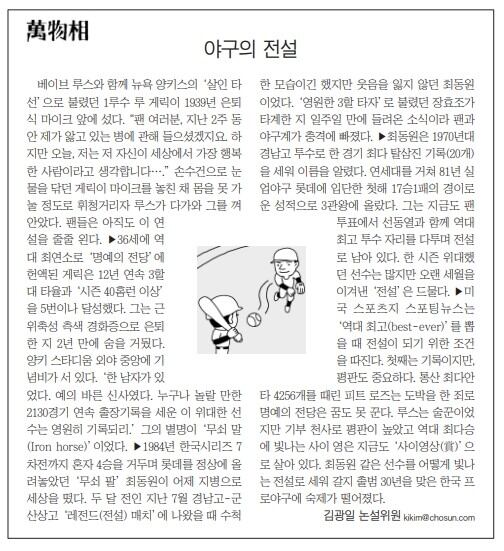
Death came shortly thereafter. He died on June 2, 1941, two years after stepping down from play. The individual once known as “The Iron Horse” is remembered with the Yankees’ permanent retired number, No. 4—the first such number in Major League history. He maintained a .300 batting average for 12 consecutive seasons, accumulated 100 RBIs and 100 runs scored for 13 straight years, and hit 23 grand slam home runs during his career.
Gehrig was also referred to in colonial Korea as the sole competitor of Babe Ruth on the New York Yankees.
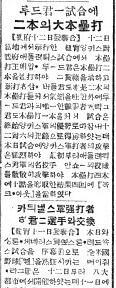
“At a match between the New York Yankees and the Philadelphia Athletics on the 12th in the local region, the home run legend Babe Ruth showcased his skills by hitting two home runs (…) The only competitor of Ruth, Gehrig, also hit a single home run, and the Yankees eventually secured a 12–6 victory.” (April 16, 1932, evening edition, page 7)
Subsequent investigations indicated that Gehrig’s death was not due to Lou Gehrig’s disease. In 2010, a U.S. Veterans Affairs hospital published a study that noted, “The actual cause of death was not ALS; it was probably brain injury acquired during his career.”
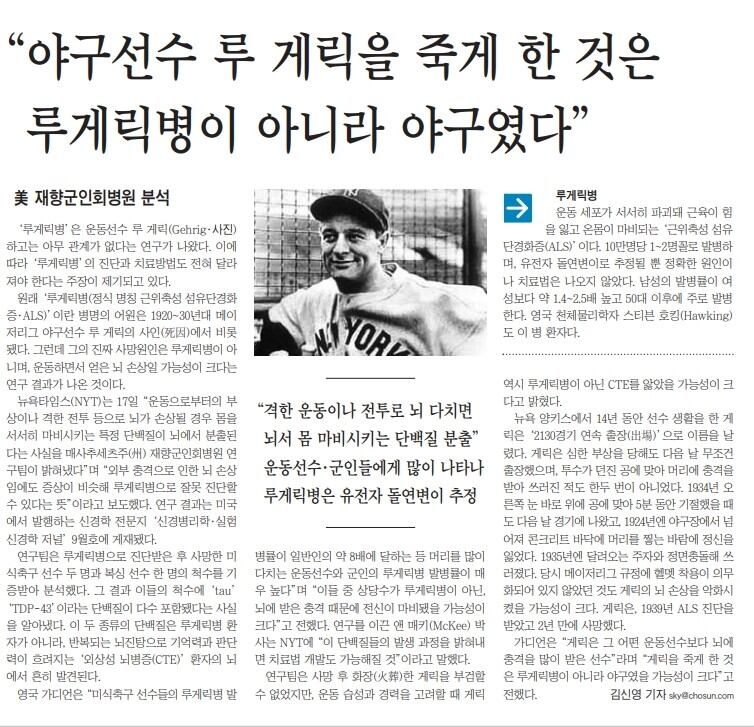
“Gehrig continued to play the following day despite suffering serious injuries. He fainted several times after being struck in the head by pitches. In 1934, he was knocked out for five minutes after being hit above his right eye but played the next day. In 1935, he collided directly with a player and fell. The absence of required helmet usage in Major League Baseball at that time probably made his brain injuries worse. (…) The Guardian stated, ‘Gehrig experienced more head trauma than any other athlete,’ and proposed, ‘It was baseball, not Lou Gehrig’s disease, that likely caused his death.’” (August 19, 2010, page A17)
Gehrig was selected as the “top baseball star of the 20th century” by fans. In October 1999, he garnered 1,207,992 votes in the ’20th-Century All-Star’ survey, outperforming Babe Ruth (1,158,044 votes) and Hank Aaron (1,156,782 votes).






Leave a Reply