
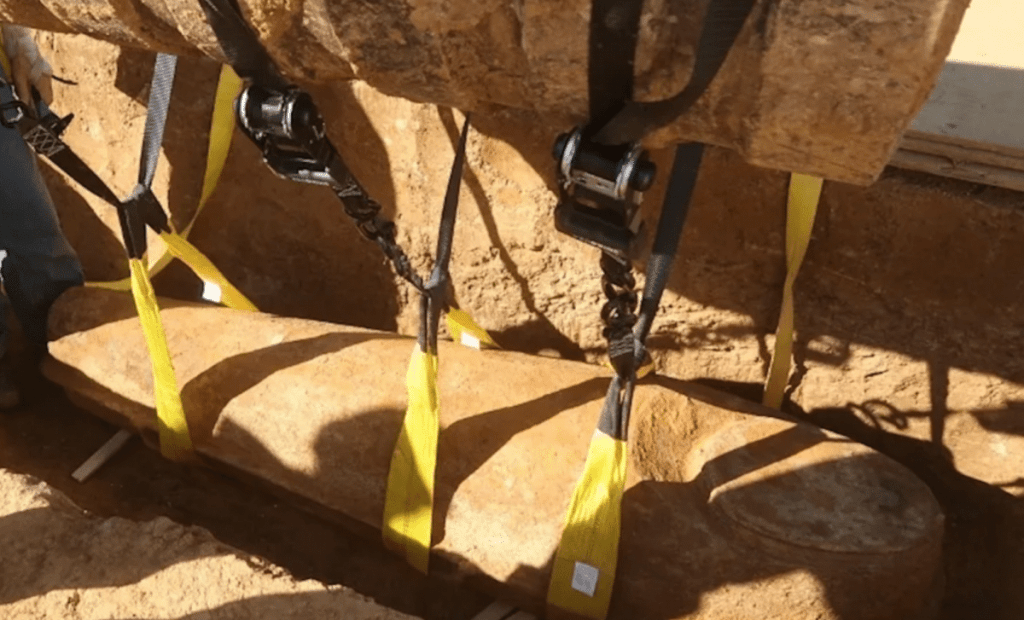
A remarkable discovery at Asylum Hillin Mississippi might change our perception of the historic burial sites. Archaeologists from the University of Mississippi Medical Center have discovered a completely intact200-pound cast-iron casket, possibly one of the most promising opportunities so far to recognize a person among thousands of graves at the location. The discovery merges historical mystery with contemporary scientific possibilities, providing botharchaeological insightand a route to personal relationships for future generations.
Unearthed: A Historic Gem Revealed
Following three and a half years of careful digging, the group discovered the initial cast-iron box at Asylum Hill, a cemetery believed to contain between 4,000 and 7,000 burial sites. The casket, weighing200 pounds, was discovered on a ridge near the center of the site and dates from between 1860 and 1880. The find is distinctive not only due to its state of preservation but also because of its design and materials, providing information about burial customs for people ofEuropean descentthen. According toWLBT, the site has previously uncovered more than 1,075 graves, yet none were safeguarded in such a strong and opulent way.
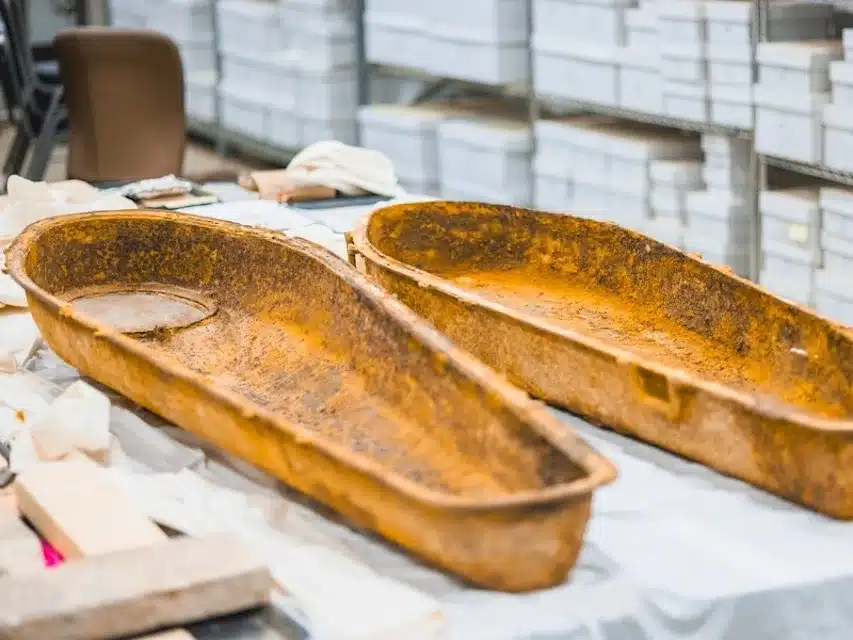
Within the coffin, researchers found the bones of amiddle-aged woman, along with a brass ring that has a red gemstone. The coffin had a glass window, suggesting it was an expensive model for its time. Historical records from 1865 show that the same model, a “No. 8 slim-size” plain case, was sold for just over $44 wholesale, whereas a basic wooden coffin could be bought for a few dollars. The preservation of both thecasket and personal itemsoffers a unique chance to examine material culture, burial practices, and individual stories from the 19th century.
The Purpose of Scientific Approaches Is to Reveal Identity
Opening the iron chest was a careful procedure, taking about a week to complete.biohazard safety protocols. A difficulty for the researchers is the lack of teeth, which is often a main source ofDNA. However, the team is investigating the possibility of obtaining genetic material from a tiny bone in the ear. If this proves successful, it may enable comparisons with historical documents and current relatives, helping scientists get nearer to determining the woman’s identity who was buried there.
Lead bio-archaeologist Dr. Jennifer Mack highlighted the individual importance of the project, stating,
We were very optimistic that we had discovered a casket that could offer our best opportunity for identification. All of our descendants involved in this project, that’s their primary goal, they want us to be able to locate their loved ones.
Asylum Hill: A Location of Historical Importance
Asylum Hill is more than just a burial ground; it offers a glimpse into Mississippi’s past. The area is connected to the state’s former mental health institutions, where families from all over the state brought their relatives for care. The finding of this iron coffin emphasizes thevaried social and economic conditionsamong those buried there. Although many graves at the location had basic wooden caskets, this interment indicates the existence of more expensive burials and could signify family values, social standing, or regional traditions in the mid-to-late 1800s.
Experts keep meticulously recording the location, making sure that both the remains and any personal items are protected. After the digging is finished, unclaimed remains are set to be moved into a tomb with their possessions. This method honors the deceased while providing an important resource for historians, family researchers, and scientists.
Next Steps For Identification
The finding has renewed initiatives toconnect historical documents, genetic testing, and personal itemsto determine the identity of the woman in the iron casket. Despite missing teeth, scientists remain hopeful that DNA extracted from the ear bone could yield definitive answers. By integrating forensic techniques with thorough historical research, the group aims to establish a concrete link between theburied individuals and their modern-day descendants.
This dig demonstrates how archaeological research can reveal more than just artifacts and remains, but also individual stories. Every discovery at Asylum Hill helps build a greater comprehension of the lives of people who lived, and passed away, within the state asylum system, offering a more profound, human-centered view of history.
Enjoyed this article? Sign up for our complimentary Newsletterfor captivating narratives, unique material, and up-to-the-minute updates.






Leave a Reply