
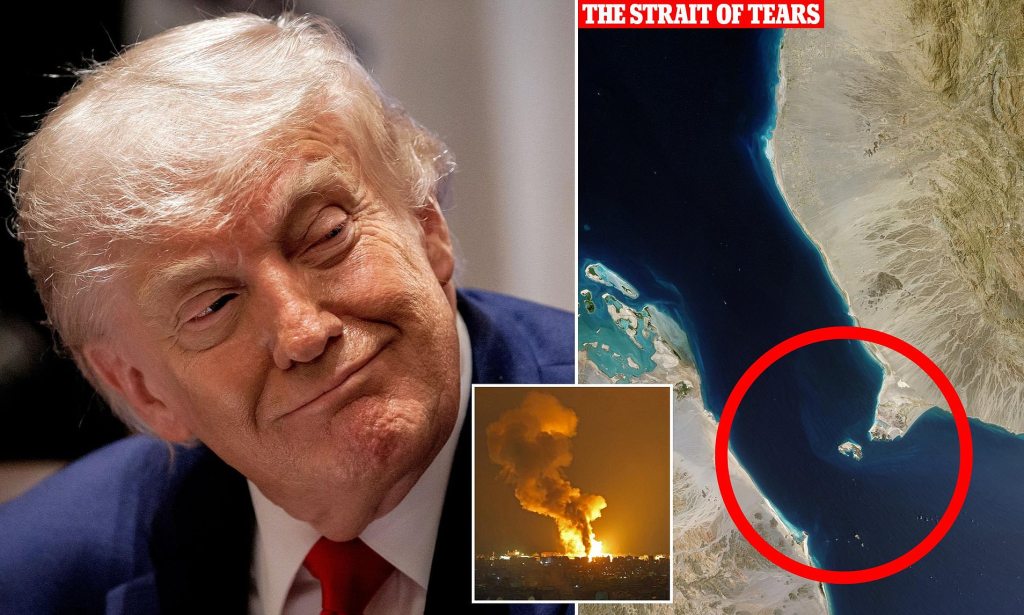
With Donald Trump‘s Iranceasefire on the brink of failure, Tehran is warning of closing the Bab el-Mandeb Strait, the world’s most critical maritime passage, as a response to the US andIsrael, in an action that might plunge the global economy into a downturn.
The government announced on Monday that all diplomatic discussions with the United States have been put on hold, citing Israel’s strikes in Lebanon as a breach of the ceasefire, as reported by state-run news agency Tasnim.
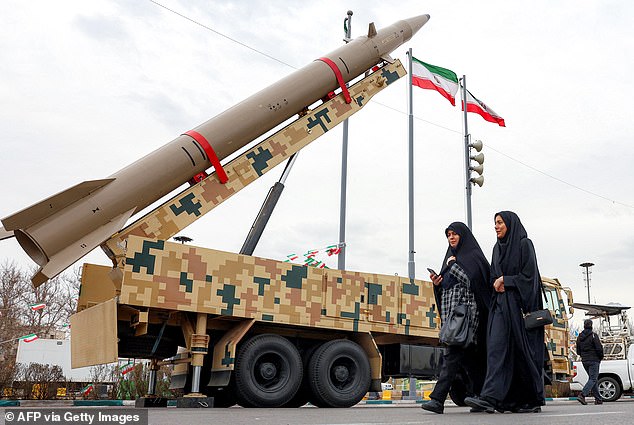
The outlet also stated that the regime would mobilize its Shia militant allies in Yemen, Lebanon, andIraqto close off the Strait of Hormuz, the vital international oil route that transports one-fifth of the world’s oil.
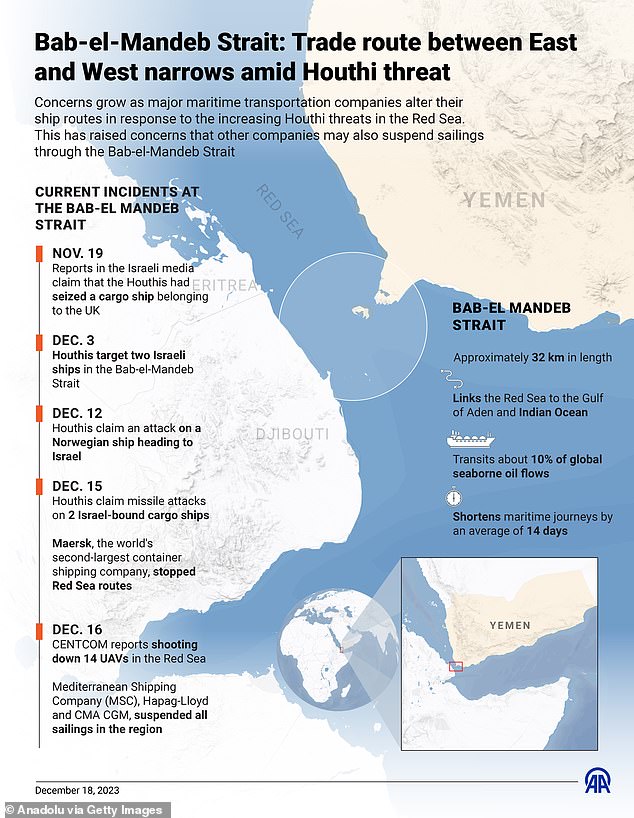
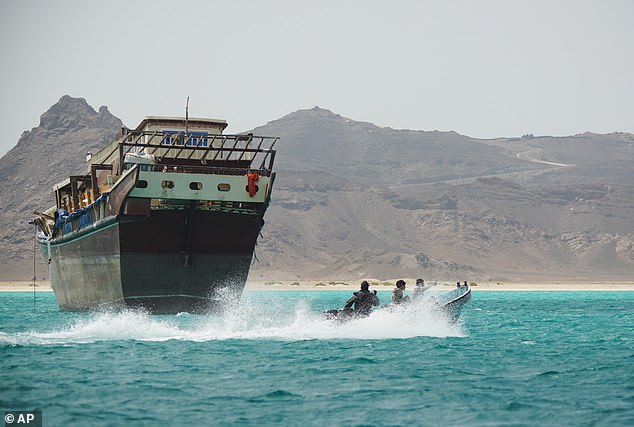
However, Iran also keeps a watchful eye on the Bab el-Mandeb Strait. The name means “Strait of Tears,” known for challenging navigation: erratic winds, powerful crosscurrents, and concealed reefs.
If the Houthi rebels in Yemen initiate a new phase in the conflict, the strait would likely become a primary target, as reported by Reuters.
The Bab el-Mandeb Strait is a narrow passage approximately 18 miles wide, situated between Yemen and the Horn of Africa, connecting the Red Sea to the Gulf of Aden. It serves as the main route for almost all cargo and energy transport moving between Europe andAsia must pass.
The shutdown would severely impact the global economy, with energy experts cautioning that oil prices might rise to $180 per barrel if peace negotiations fail completely.
‘Let’s suppose there is no agreement and hostilities resume between the U.S. and Iran, we have already witnessed a scenario where oil prices reached $180 per barrel by August, which would lead to a significant global economic downturn, especially in Europe and emerging Asia,’ Jorge León, head of geopolitical analysis at Rystad Energy,told CNBC.
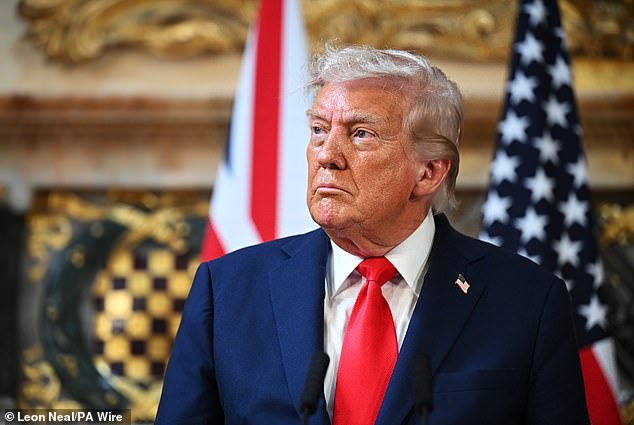
In reaction to Iran’s latest decision to halt all diplomatic discussions, Trump stated that he was indifferent towards negotiations.fall apart.
“I truly don’t mind. I have no interest at all,” Trump said to CNBC.
The leader also mentioned that he was not concerned about energy costs rising due to Tehran’s warnings of closing the Strait of Hormuz.
“I believe the oil prices will plummet rapidly in the very near future,” Trump stated.
Oil markets experienced chaos after reports of the ceasefire breaking down, causing oil prices to rise by over six percent.
The President mentioned he intended to question Netanyahu regarding ‘what is happening in Lebanon.’
Trump stated on Truth Social that, following a conversation with Netanyahu, no troops would be sent to Beirut and those already en route had been called back.
“Similarly, through influential representatives, I had an excellent conversation with Hezbollah, and they agreed that all hostilities will cease — that Israel will not attack them, and they will not attack Israel,” Trump added.
Trump later stated that ‘discussions are ongoing, at a swift rate, with the Islamic Republic of Iran.’
Israel continues to be cautious about incorporating Lebanon into the current ceasefire agreement with Tehran, perceiving that conflict as distinct from the larger war.
The United States has attempted toact as a mediator between Israel and Lebanon in recent weeks, advocating for a temporary truce as Trump works on securing a lasting peace deal with Tehran.
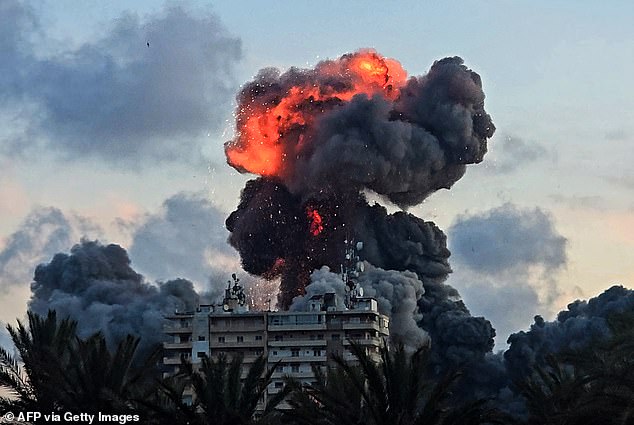
Israeli troops over the weekendseized a key location in Lebanon, representing their most significant military operation within the nation in more than 26 years.
Israel seized Beaufort Castle, a medieval stronghold located in southern Lebanon, which it had controlled until its departure from the nation in 2000.




Leave a Reply