
Officials from both sides are examining the larger Greater Bay Area trade initiative, says the financial chief, who added that cracking down on illegal transactions will benefit the city.
As Hong Kong commemorates the 29th anniversary of its reintegration into Chinese sovereignty on July 1, the South China Morning Post engages with the city’s top officials to discuss the administration’s accomplishments thus far and future prospects.
Additional mainland Chinese investors may have the opportunity to access a wider selection of products in Hong Kong, according to a statement from the financial official, who downplayed worries that a recent enforcement action against unauthorized cross-border stock trading might affect the city’s attractiveness.
Financial Secretary Paul Chan Mo-po mentioned that officials from both sides are striving to increase the number of eligible participants, expand quotas, and broaden the variety of products available under the Cross-boundary Wealth Management Connect initiative, although improvements will require some time to be completed.
Are you curious about the most significant issues and developments happening globally? Find the solutions withSCMP Knowledge, our latest platform featuring curated content including explainers, FAQs, analyses, and infographics, presented by our acclaimed team.
“Can the range of products offer more options than previously? In the past, particularly during the early phases, we had to be cautious, so many were fixed-income and extremely low-risk products,” he said to the South China Morning Post.
Meanwhile, investors from the mainland are eager to gain access to more innovative offerings, potentially yielding higher returns – although the associated risks will also be greater. These matters are currently being discussed.
The plan enables residents from Hong Kong, Macau, and nine cities in Guangdong that form the Greater Bay Area to directly invest in authorized financial management products internationally.
Chan mentioned that talks about broadening the program also included measures to simplify participation for mainland and Hong Kong investors in initial public offerings (IPO) on the opposite side.
He mentioned that a properly balanced expansion would draw in more funding, and that new rules would not impact liquidity within Hong Kong’s stock market.
The Chinese government’s State Council introduced updated regulations controlling overseas investments from the mainland earlier this month.
The rules state that investments in banned foreign activities can be forced to stop, requiring investors to sell off associated assets or shares within a set timeframe. Profits obtained illegally may also be seized.
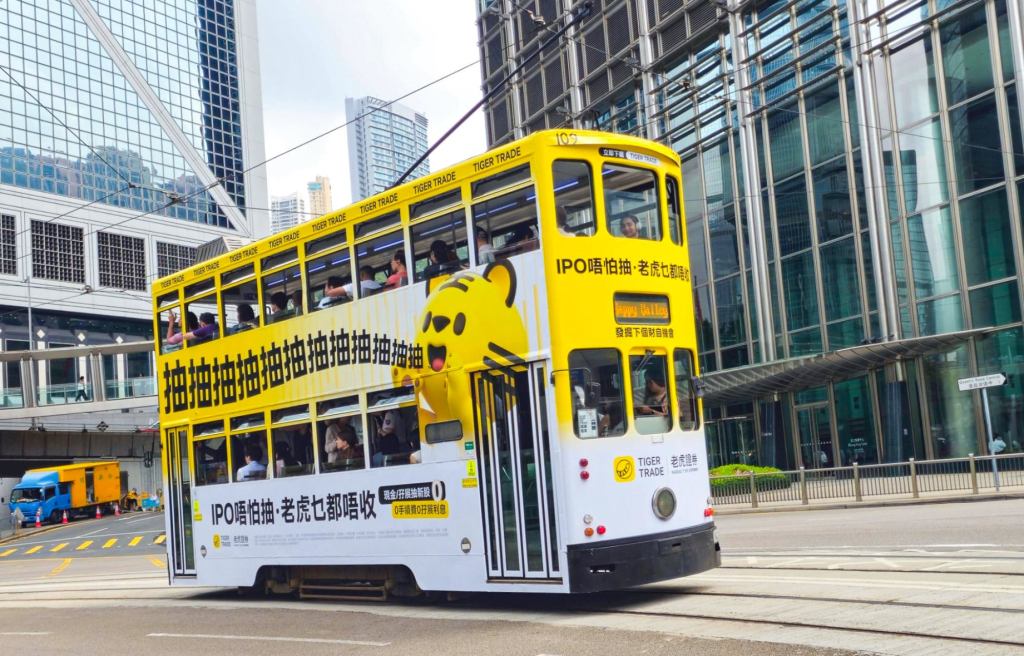
Last month, the China Securities Regulatory CommissionpenalisedTiger Brokers, Futu Securities International, and Longbridge Securities, all based in Hong Kong, enabled mainland investors to trade foreign stocks without the necessary licenses. They were granted two years to address the issues; during this time, buying stocks will be restricted while selling will still be permitted.
Chan mentioned that the enforcement could have a short-term effect on Hong Kong’s investment sector but would be advantageous over time.
“It could have some temporary impacts, such as psychological ones. Nevertheless, I think moving these activities into a compliant setting will increase the confidence of mainland regulators,” he stated.
This enhanced self-assurance is expected to aid in promoting deeper collaboration and increasing the flow of capital from the mainland.
Citic Securities believes that as much as HK$250 billion (US$31.9 billion) in assets within Hong Kong might be influenced by the enforcement measures, although the immediate effect on the market is anticipated to remain under control.
After the crackdown, the Hong Kong Monetary Authority also directed banks to ask new customers to confirm that the money invested came from outside the mainland.
The decision has sparked doubts about whether more stringent regulations might limit the appealing choices available to investors from the mainland, especially considering the struggling real estate sector.
Asked if the assets could be integrated via an expanded cross-border connectivity program, Chan expressed confidence.
“Our evaluation is that for individuals on the mainland, especially those in the [Greater Bay Area], there is a desire to allocate certain assets overseas. Naturally, Hong Kong is the top choice since they are familiar with this location and it is more convenient for them to access,” he stated.
He mentioned the Cross-boundary Wealth Management Connect program as an illustration. Each of the southbound and northbound routes is limited to a quota of 150 billion yuan (US$22.15 billion).
Nevertheless, by June 17, only approximately 10 percent of the southbound capacity had been utilized.
Regarding the overall economy, Chan mentioned that Hong Kong’s real estate market has been experiencing a consistent upward movement since the latter part of last year, with investors from the mainland continuing to show enthusiasm.
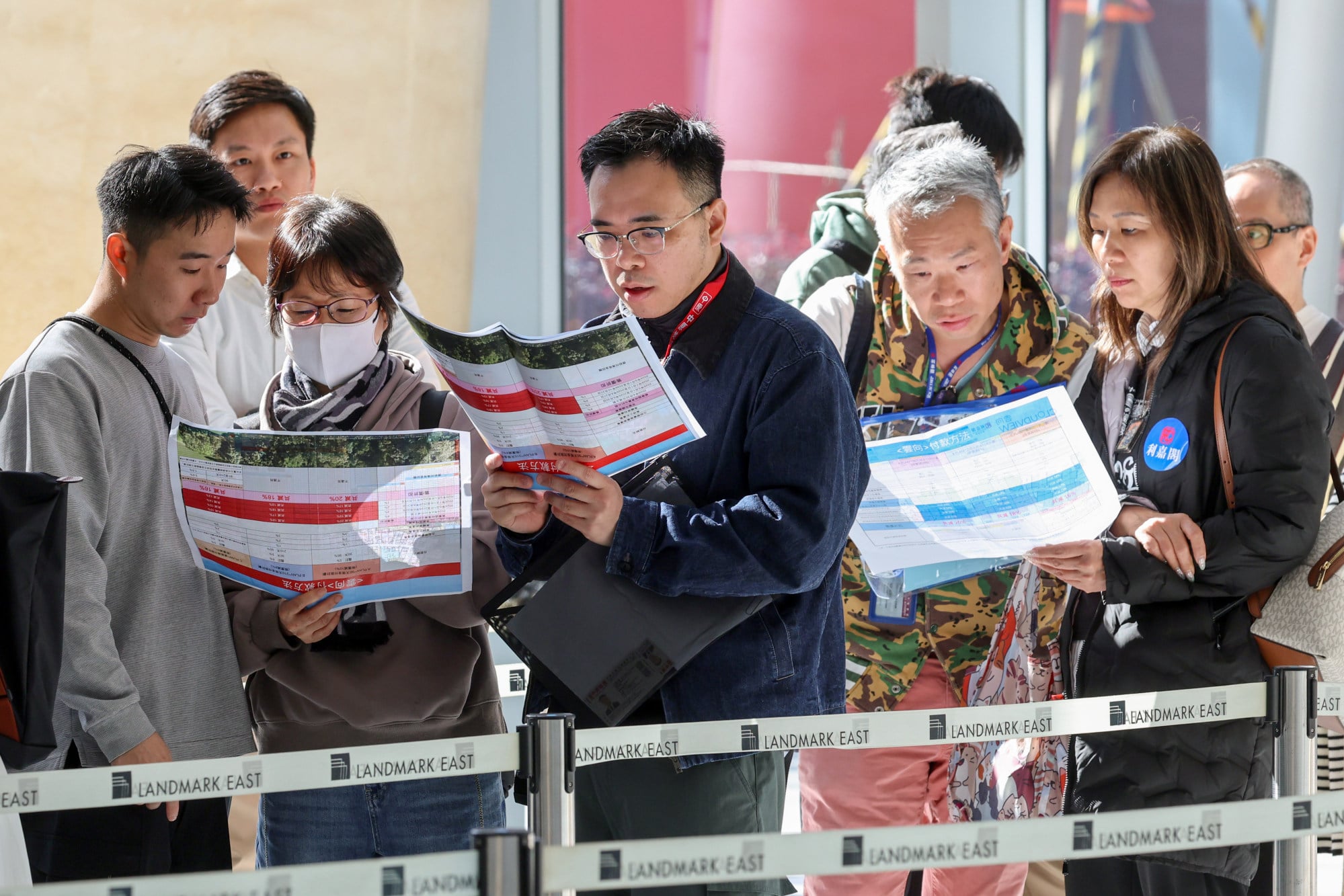
Observing that economic conditions and the unemployment rate were showing improvement and becoming more stable, he mentioned that the government maintained a cautious sense of hope regarding the real estate market.
The authorities previously adjusted Hong Kong’s economic growth projection for this year to range from 2.5 percent to 3.5 percent, noting a minimal effect from the conflict in the Middle East up to now.
Nevertheless, rising oil and energy costs caused by political conflicts have led the government to implement temporary actions since late April.
Chan characterized the scenario as “under control” and mentioned that he would keep an eye on the situation.
He mentioned that he would maintain an “open perspective” and implement further actions if necessary.
The first short-term subsidy, applied to dieselThe deadline for fishing vessels, buses, ferries, and other commercial transport providers is scheduled to expire on June 29.
More Articles from SCMP
China’s approach to Iran is a demonstration of power without tangible influence
A new day in Paradise for Zac Purton at Sha Tin following his win in the Group Three Premier Cup.
Spark Deep Dive: China’s efforts to develop new medications for Alzheimer’s and Parkinson’s
This piece was first published in the South China Morning Post (www.scmp.com), a top news outlet covering China and Asia.
Copyright (c) 2026. South China Morning Post Publishers Ltd. All rights reserved.






Leave a Reply