
Integration provides strategic benefits despite geopolitical conflicts with the West, but Hong Kong needs to maintain its distinct characteristics for businesses to succeed, according to executives.
In the second part of a two-part series examining the economy as Hong Kong celebrates 29 years since its return to Chinese sovereignty, Lo Hoi Ying and Leopold Chen explore the city’s initiatives for deeper integration with the country and the challenges and possibilities this entails. Part one is available here. here.
A query from his niece regarding the proper recycling of face masks led materials scientist Eddie Yu to reconsider sustainability, motivating him to create biodegradable materials when he founded his company, OKOsix, in Hong Kong in 2021 amid the Covid-19 pandemic.
Five years later, the company has experienced significant interest from Western markets including Canada, Europe, and Australia, and is planning to grow more in these regions.
Are you curious about the most significant issues and developments happening globally? Find the solutions withSCMP Knowledge, our latest platform offering carefully selected content including explainers, FAQs, analyses, and infographics, presented by our acclaimed team.
The company has further increased its footprint in mainland China by setting up regional headquarters at the Hong Kong Science Park Shenzhen Branch, located in the Futian district of the technology hub, as it aims for a stable supply chain and access to the huge market of the world’s second-largest economy.
We already have several large orders, and this will serve as our headquarters in China,” he stated. “We plan to construct a factory in Guangdong soon.
OKOsix is among numerous Hong Kong companies that have gained advantages due to the government’s efforts to enhance integration with the Greater Bay Area and the mainland in recent years.
The San Francisco Bay Area is Beijing’s strategy to connect Hong Kong, Macau, and nine cities in the adjacent Guangdong province into an economic hub.
During the process of developing Hong Kong’s five-year strategy to match national growth objectives, “integration” has become a popular term.
Although supporters are excited about the future prospects, opponents caution that coordination and integration need to be managed with care to ensure Hong Kong maintains its distinct features within the “one country, two systems” framework.
Can Hong Kong manage both tasks and celebrate its 30th anniversary as a special administrative region by achieving this delicate balance?
Politics and economics intertwined
Strangely, external influences—particularly geopolitics—have contributed to Hong Kong companies turning their attention toward their home nation.
In 2024, OKOsix was one of five startups selected to travel to Silicon Valley in the United States as part of a program arranged by the Hong Kong Science Park, aimed at enhancing business development and forming strategic collaborations.
Yu remembered that the “overall environment” in Silicon Valley aimed to dissuade funding for Hong Kong and mainland startups, particularly in “sensitive technologies” like artificial intelligence and robotics.
“The directive was not to invest in Hong Kong or mainland China… Hong Kong is part of China, and they view it as a single nation, so there are no longer any exceptions,” he stated.
But he mentioned that these views primarily affected early-stage startups and became less important as companies grew older.
Since coming back under Chinese control in 1997, Hong Kong has maintained a significant degree of self-governance in its economic and political matters through the “one country, two systems” framework.
Following the 2019 anti-government demonstrations, Beijing enhanced its control over Hong Kong matters, implementing a comprehensive national security law that makes punishable offenses such as treason, subversion, secession, and cooperation with external entities, along with other actions seen as threatening national security.
The voting system was also revised to guarantee that only “patriots” lead Hong Kong.
Globally, these changes led Western countries to impose penalties on Hong Kong officials and organizations, accusing them of suppressing critics or providing advanced technologies to Iran, Russia, and North Korea.
Amidst this context, both the central and local authorities have aimed to integrate Hong Kong’s growth with the national plan, by advancing the Northern Metropolis initiative that will transform 30,000 hectares of land along the mainland border into a financial powerhouse and residential area.
A study conducted by the American Chamber of Commerce in Hong Kong revealed that U.S.-China relations were the top business concern among its members, closely followed by the decelerating Chinese economy and international public views on the city.
Specifically, the percentage of companies that reported their primary worry was the international public’s view of Hong Kong increased from 39 percent in 2024 to 43 percent this year.
Approximately 62 percent of those surveyed indicated that the perceived absence of distinction between Hong Kong and the mainland had the most significant effect on their businesses in today’s political climate.
Steve Zhao, the CEO of Sandbox VR, a virtual reality gaming firm established in Hong Kong in 2017, mentioned that when he initially started the company, it was straightforward to recruit professionals from North America and the UK to move to the city due to its position as a global hub.
Due to the government’s new talent initiatives attracting professionals from the bay area to the city, he mentioned that Sandbox VR now has a broader pool of talent available for its Hong Kong-based content team.
The local pool included individuals who were highly versatile, capable of performing various tasks to help the company expand, which was crucial for Sandbox VR, according to Zhao.
The firm — which relocated its headquarters to Silicon Valley in 2019 to focus on Western markets following investment from venture capital firms — currently functions in over 80 locations globally, primarily in North America and Europe, catering to approximately 150,000 users each month.
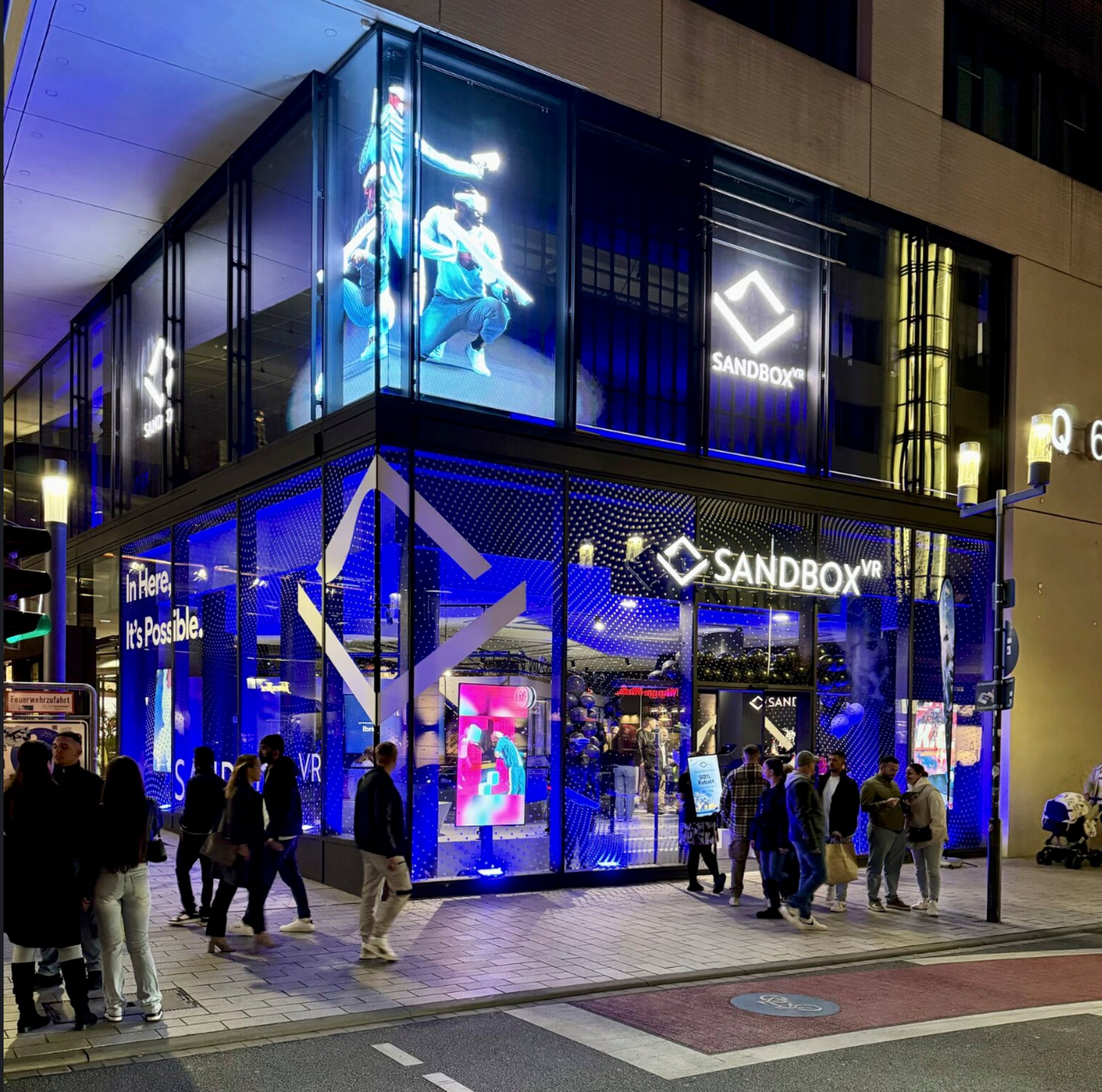
It operates facilities in three Chinese cities: Hong Kong, Macau, and Shanghai.
When asked about the impact of geopolitics on their activities, Zhao mentioned they were fortunate to “be under the radar” since they are an entertainment company.
“I spoke with founders a few years back in the biotech sector, and they mentioned they’re finding it somewhat more challenging to secure funding from outside Hong Kong, such as from the West,” he added.
Although Hong Kong companies might gain advantages through integration and access to the mainland market, Zhao mentioned that entrepreneurs needed to “select their conflicts wisely” when deciding which markets to focus on, and Sandbox VR continued to be cautious about expanding into the region.
“In reality, securing success in the West can be a massive opportunity. In other terms, if you achieve success in China, you may not need to concern yourself with the rest of the globe,” he stated.
We are aware of the intense effort people put in China, so are you ready to compete in such an environment?
A significant portion of Sandbox VR’s digital marketing efforts is dedicated to enhancing visibility on Google, Facebook, Instagram, and TikTok, as “the majority of the world uses these platforms.”
“China is different. There are RedNote and Dazhong Dianping, and it necessitates an entirely new system,” he said, mentioning popular mainland platforms.
Until we reach a level of scale where we believe the growth is effectively managed across the global market, we will then be able to concentrate on the China market.
Why does Hong Kong still maintain an advantage?
Nevertheless, Hong Kong continues to be a preferred location for business growth for expatriate entrepreneurs who appreciate diversity and global connections.
Australian Dylan Tyack, who launched a business offering drone-based building facade cleaning services in Hong Kong in 2024, mentioned that the city offers ideal conditions for testing his technology.
“Hong Kong is among the most densely populated cities in the world. So if we can achieve this here at a very high standard, we can apply what we’re doing here to any other city and it will be effective,” he stated.
Although still utilizing a model produced in the United Kingdom, Tyack mentioned that his team at Drone Solutions Asia is willing to consider Chinese-made alternatives, noting that the company’s selection of equipment is based on client needs and regulatory requirements.
Keeping this concept in mind, he attended an annual low-altitude economy exhibition in Shenzhen to learn about recent advancements, and mentioned that Hong Kong is the “place to be” because of its closeness to the mainland.
“Hong Kong serves as the entry point to China, yet due to our location here, individuals from other nations feel more at ease in reaching out, as English is more widely spoken,” he mentioned.
So we aim to utilize our position in Hong Kong, serving as the bridge between the mainland and the global community.
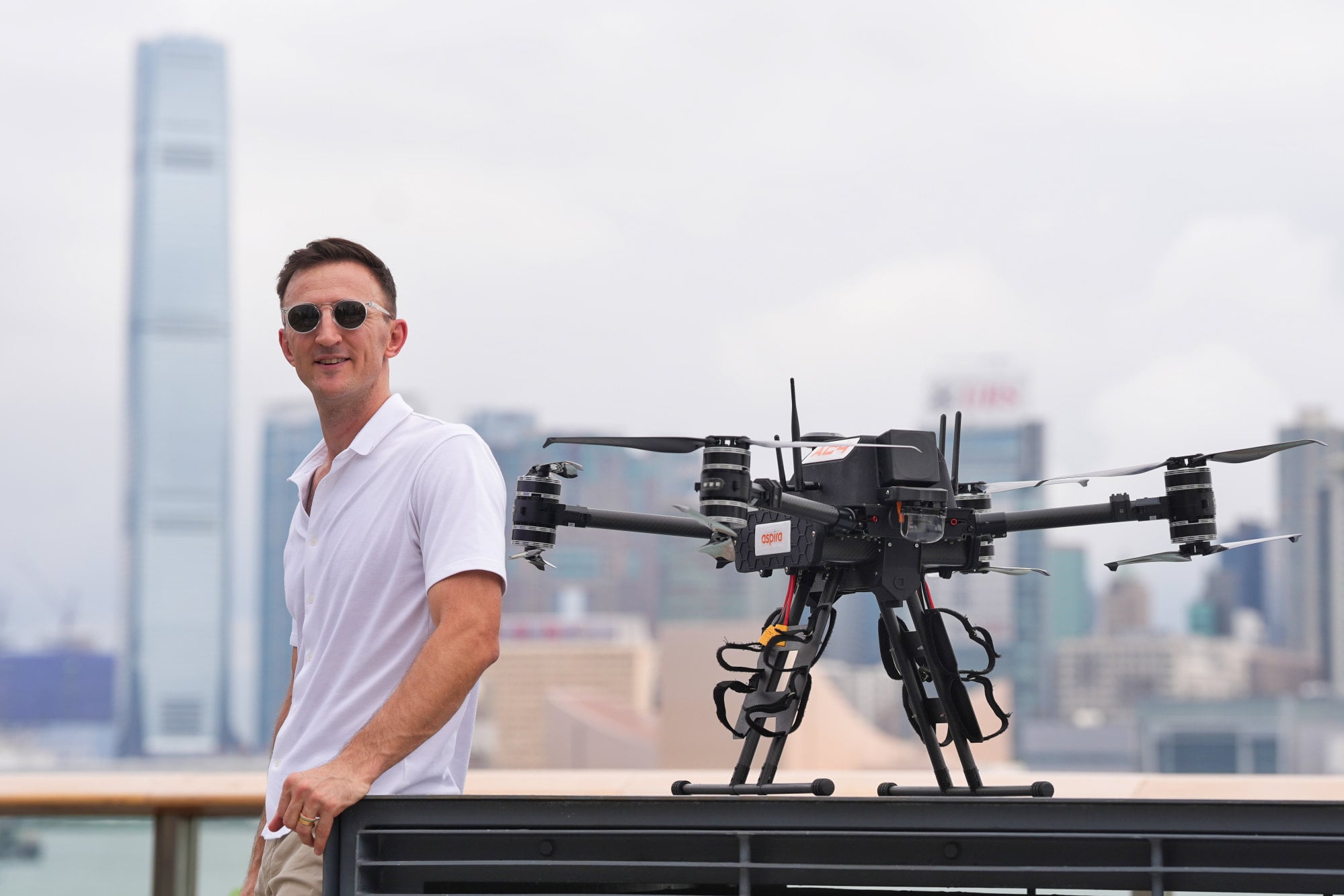
His firm has been undertaking tasks for clients including shopping malls and office structures, since the Civil Aviation Department released a drone exterior cleaning guideline last September.
The company had received significant incoming interest from Southeast Asia and several other nations, he mentioned.
If you plan to select an Asian city as a main base for expanding across Asia, Hong Kong is an excellent option.
The healthcare services industry is also reaping the benefits of integration. Aritone Group, a cross-border medical service company based in Hong Kong, has experienced increasing demand from mainland patients looking for treatment in the city and abroad.
“Specifically, the advancement of the Greater Bay Area has significantly simplified the process for mainland residents to explore and utilize Hong Kong’s medical facilities,” said managing director Michelle Zhou Tongjin.
The firm, with locations in Shenzhen, Guangzhou, and Shanghai, decided to register in Hong Kong in 2023 due to its free-port status, efficient logistics network, and clear regulatory framework.
Although recognizing the benefits of integration, Zhou also mentioned that the city needed to maintain its free exchange of information, products, and skilled individuals as key competitive strengths.
“For our medical efforts, it is essential that Hong Kong continues to uphold its independent and highly effective regulatory system for medications and medical devices, enabling us to access the most recent treatments without unnecessary delays,” she stated.
Thomas Wong Cheung-chi, the vice-chairman of the Global Cancer IP Promotion Alliance, stated that Hong Kong is ideally placed as a licensing center for medical innovations from the mainland.
The partnership seeks to support the registration of intellectual property and worldwide licensing of biomedical innovations, particularly those originating from the mainland and Hong Kong.
“The licensing income will remain in Hong Kong. However, if they do this on the mainland, the capital is subject to the mainland’s tax system and financial regulations,” he stated, also highlighting Hong Kong’s low tax rate as an additional advantage.
He mentioned that the mainland had always had a wealth of clinical data, and it could now also support local research and draw in foreign investors as governments on both sides were striving to enable the cross-border movement of biometric data.
Within the Hong Kong-Shenzhen Innovation and Technology Park, both authorities are developing an efficient system for moving data and materials, such as biological samples, across the border to support research partnerships.
Wong mentioned that foreign companies previously sought to purchase mainland biotechnology firms in order to gain access to the nation’s clinical data. Nevertheless, the US government has increased its oversight of companies’ investments in China, and Beijing has also taken a more cautious stance in managing this type of sensitive information.
“In this context, Hong Kong is well placed as a ‘superconnector,’” he mentioned, while highlighting that a possible risk of integration was the city losing its distinctiveness.
He stated that Hong Kong must maintain the independence of its commercial arbitration system, which is based on the common law framework, strict data security regulations, and a welcoming approach to global talent as its main features.
Maintaining individuality while adopting connectivity
Political experts noted that although integration offered both advantages and challenges, it would be crucial for Hong Kong to maintain its fundamental differences, such as a free financial system and the common law structure, in order to handle an increasingly complex environment.
Sonny Lo Shiu-hing, an honorary professor in the Department of Politics and Public Administration at the University of Hong Kong, mentioned that one indicator of integration is the city’s alignment of its socioeconomic planning approaches with those of Beijing, highlighted by recent initiatives to develop its first-ever five-year plan.
He characterized integration as “politically aligned and economically separate.”
“From a political standpoint, Hong Kong must meet the national security standards set by the central government. However, economically, it remains a capitalist society. At the same time, drawing on the advantages of socialist China’s planning methods does not imply that we will implement the planned economy of the 1960s,” he stated, adding that such planning could assist the city in ensuring consistent policy implementation.
Lo stated that it was in Beijing’s interest to keep the one country, two systems framework in place, and Hong Kong needed to uphold its open financial system, common law structure, and bilingual nature as its key strengths.
Integration may offer numerous advantages, such as the growth of the local innovation and technology sector, along with a thriving education industry, he mentioned.
Hong Kong may now enhance its position by taking on a more significant, “para-diplomatic” role on behalf of Beijing, facilitating connections between mainland companies and foreign governments and business allies, he stated.
In June, Chief Executive John Lee Ka-chiu brought approximately 30 mainland business leaders on a trip to Central Asia, aiming to assist these companies in expanding internationally.
However, Lo also encouraged officials to implement measures to maintain retail consumption within the city, as residents were becoming more used to shopping across the border.
Wilson Chan Wai-shun, co-founder of the Pagoda Institute think tank, stated that the global community, particularly Western nations, has grown more cautious regarding Hong Kong.
While Hong Kong organizations would typically remain free to participate in business-oriented initiatives in the West, they would encounter increased oversight in more delicate sectors, according to Chan.
“When Beijing’s approach to Hong Kong shifted, and the Hong Kong administration’s statements on international matters began to differ from previous ones, the West’s view of Hong Kong will also undergo a transformation,” he stated.
Their evaluation of the autonomy of Hong Kong organizations is no longer considered valid.
These challenges could have negative impacts on the technology industry, as Hong Kong companies were also restricted from obtaining cutting-edge US chips, and the financial sector may also face difficulties in maintaining adherence to Western sanctions while meeting Beijing’s national security regulations, he mentioned.
Chan mentioned a recent initial public offering (IPO) where investors from Hong Kong and mainland China were excluded from purchasing shares, specifically referencing Elon Musk’s SpaceX.
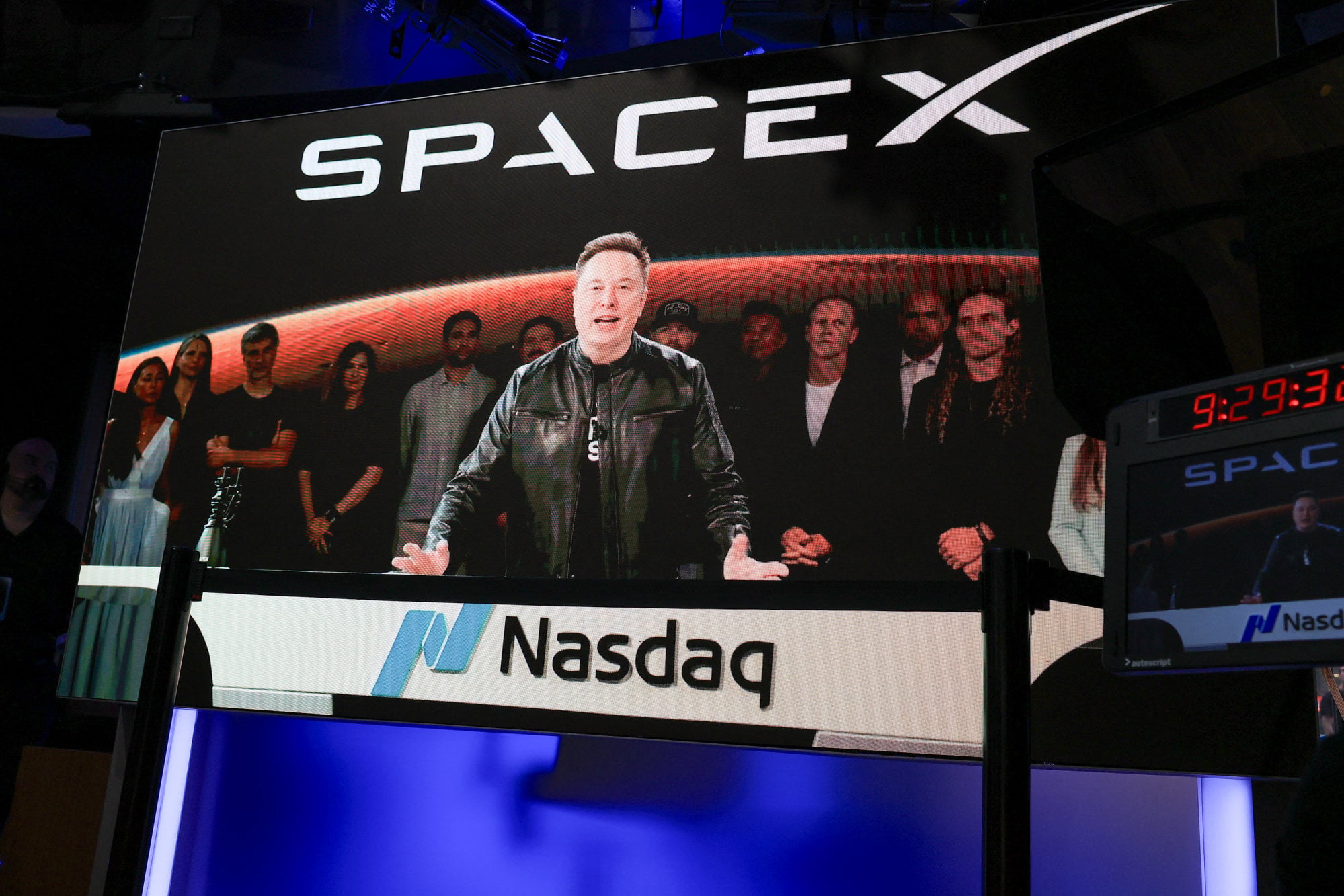
The aerospace and satellite leader created history this month with the largest initial public offering globally, securing $75 billion, although investors from the mainland and Hong Kong were prevented from buying its shares, as the company mentioned regulatory issues from Washington.
Chan also highlighted Hong Kong businessman Li Ka-shing’s CK Hutchison Holdings, which was recently compelled to exit two Panama Canal ports that it had managed for many years.
Economic stability has emerged as a lasting component of national security in Western nations,” he stated. “When financial flows cross an ideological boundary, they will exercise great caution.
Chan stated that Hong Kong needed to maintain the free exchange of ideas, complete internet access, rigorous data protection, and financial freedom to demonstrate its distinctiveness to the global community and ease their “ideological concerns.”
The government must maintain its enduring “internationalism, pluralism, and pragmatism,” Chan remarked.
The distinctiveness is that Hong Kong can, on one hand, support China’s efforts to enhance collaboration with developing nations, and on the other hand, adhere to a level of procedural transparency recognized by the West.
More Articles from SCMP
Erling Haaland’s headbands: the newest essential item for starry-eyed Chinese football supporters
SCMP Top Picks: A Strong Opportunity for Bettors at Sha Tin
‘Virtual ID Cards’: China Takes Steps to Govern AI Agents Through a Unified Identification System
This piece was first published in the South China Morning Post (www.scmp.com), a top news outlet covering China and Asia.
Copyright (c) 2026. South China Morning Post Publishers Ltd. All rights reserved.
 jasdooit
Leave a comment