
- See more Daily Mail on Google – add us as a Preferred Source
Proposals to update the Royal Navy’s outdated destroyers and frigates are expected to be put on hold in favor of drones and other automated weapon systems as part of the Government’s delayed defense funding strategy, according to reports.
Meanwhile, the UK’s commandos will receive £500 million under the plan, including fast boats and attack drones for the special forces, as Britain redirects its attention towards modern combat amid increasing Russian presence in the High North.
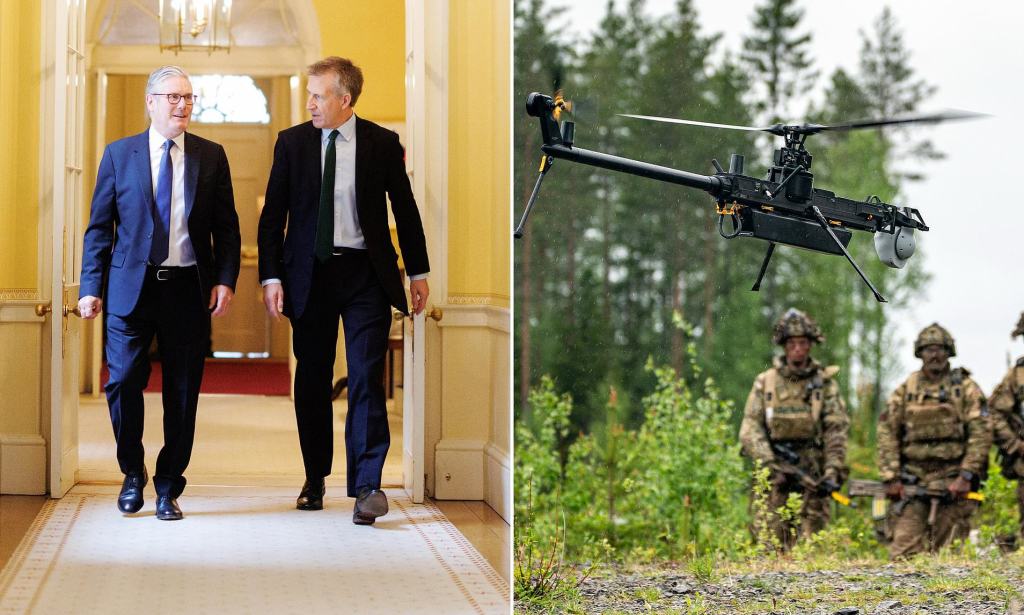
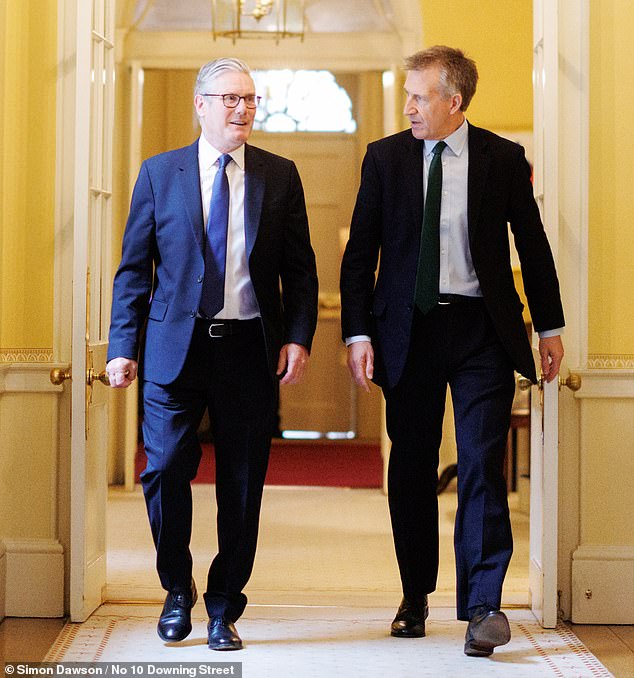
Authorities state that Dan Jarvis has ‘altered’ the emphasis of funding within the defense investment plan (Dip) since he took on the role of Defence Secretary at the start of this month, directing resources toward equipping soldiers serving on the front lines.
He is also reported to have obtained approximately £1 billion more for the initiative during discussions with the Treasury, raising the total funding to as high as £15 billion, as stated by the Sunday Times.
The £13.5 billion proposal that was previously presented led his predecessor John Healey to step down.
The press stated that financial support for as many as eight Type 83 destroyers and five Type 32 frigates will no longer be included in the Dip, as autonomous and unmanned systems will now be given higher priority.
A new manned spacecraft is still anticipated to be launched at some point in the future.
The ‘refreshed’ blueprint for ensuring the military remains prepared for future challenges will focus primarily on two main areas: combat readiness and advanced automation, which encompasses technologies such as drones, unmanned ships, and ground vehicles.
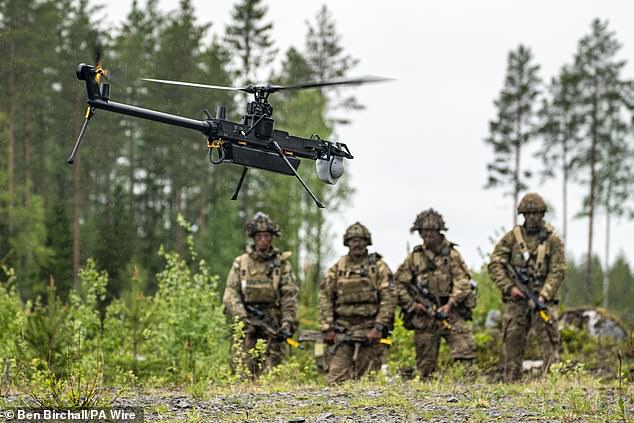
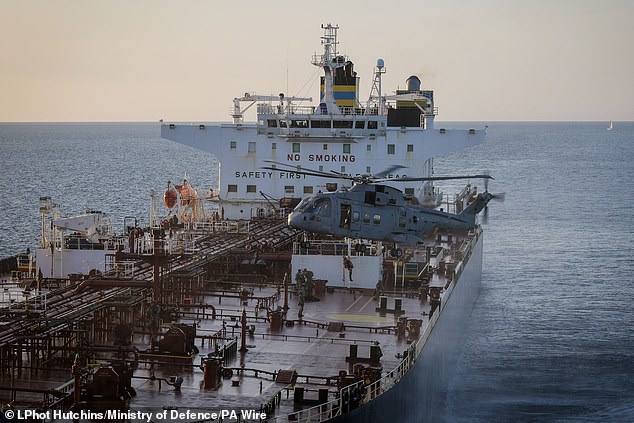
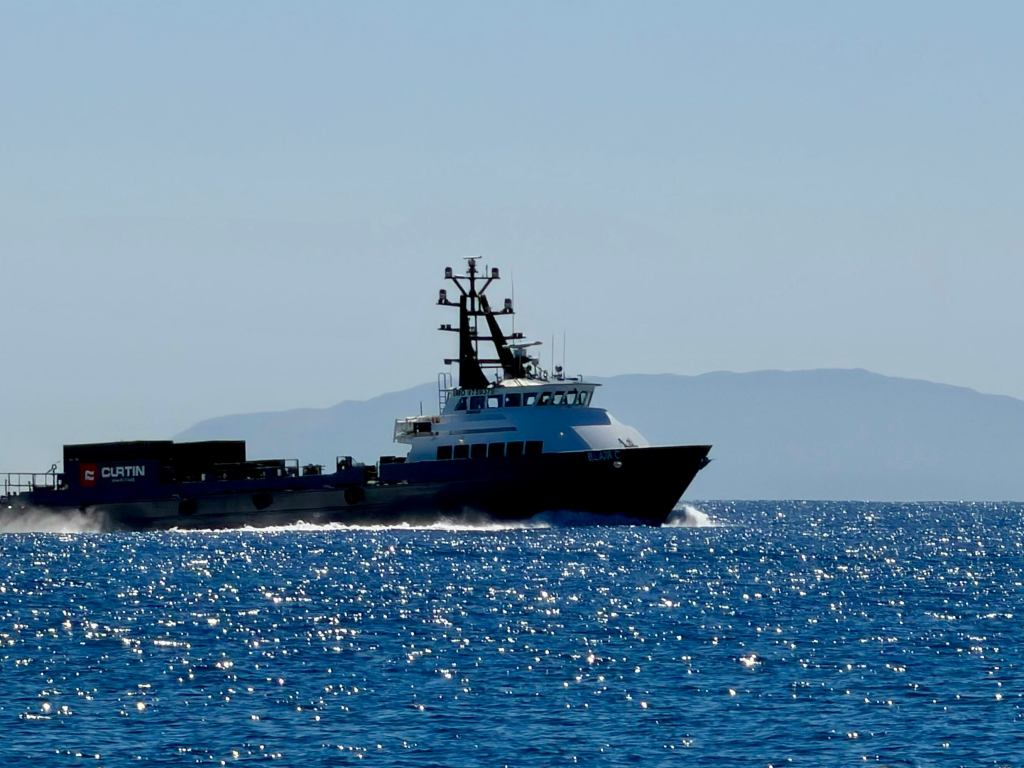
Authorities state that the financial support will partially fund new high-speed commando insertion boats – unique ships designed to secretly move personnel from the quick-reaction unit – which may be utilized for missions such as the capture of Russian shadow fleet vessels.
It followed when Royal Marine commandos assisted in intercepting the tanker Smyrtos in the Channel at the start of the first UK-led operation this month to seize a sanctioned vessel.
In the meantime, approximately £100 million will be allocated to innovative technologies, such as unmanned ships, ‘advanced communication systems,’ and attack drones, they mentioned.
The Dip was initially scheduled for last year, but has been delayed due to disputes within the Government regarding the funds needed to support the military.
Mr. Healey stepped down from his Cabinet position earlier this month, as he believed the plan would only deliver an additional £13.5 billion in funding, which he described as significantly below what was required.
The Department of Defense stated that the initiative will involve the UK collaborating with Norway, a NATO member with which Britain has teamed up due to heightened Russian submarine movements in the Arctic region.
The Secretary of Defence informed journalists on Saturday that ‘significant progress’ had been achieved in recent days, although efforts were still underway to ‘ensure accuracy’ before its anticipated release on July 7.
“I have been putting in a lot of effort since I took on the role to ensure that we have the appropriate resources and the correct combination of skills,” he stated.
I have an obligation to ensure I do it correctly, and that is my goal.
The outgoing Prime Minister, Sir Keir Starmer, plans to proceed with releasing the Dip prior to the July 7 NATO summit, even though significant policy and financial commitments have been put on hold throughout the government as it prepares for the transfer of power in the near future.
The action might create tension with his probable successor, Andy Burnham, who could seek to have the last word on future military funding.
Mr. Jarvis stated that initiatives to focus on the commandos would assist in providing them with “the gear necessary to remain ahead of our opponents and protect us.”
“The defense funding strategy will focus on providing the most up-to-date equipment to our frontline troops, enabling them to carry out their essential duties in a more hazardous global environment,” he added.
Mr. Jarvis, who was the mayor of the Sheffield City Region while Mr. Burnham held the position of mayor in Greater Manchester, has aligned with other Cabinet ministers in openly supporting the Makerfield MP as the probable next prime minister.
“He served as a remarkable mayor of Greater Manchester, and I believe he will make a great prime minister. He recognizes the significance of national security and ensuring we have the appropriate resources to invest in our military,” he stated.
That is a procedure that is definitely in progress, but it is following a pledge already made to historically high levels of military expenditure.
Indeed, we aim to accomplish more, and the Dip will achieve that, and, yes, we desire to progress further, beyond the other side of the Dip.
That is clearly recognized by Andy Burnham. It is also clearly understood by the present Prime Minister. My responsibility is to provide for defense, and that is what I am striving to accomplish.
Chancellor Rachel Reeves also supported Burnham, stating he is ‘almost certainly’ set to become the next Prime Minister.
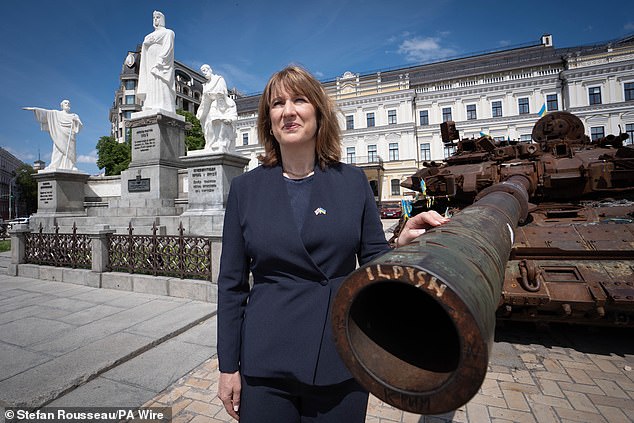
She made the statement while addressing a visit to Ukraine, adding that the government’s defense funding strategy would be released “shortly.”
She mentioned that it would involve increased funding and outline how the UK would get ready for upcoming conflicts.
The Finance Minister, who is widely expected to be dismissed in next month’s reorganization, also justified her tenure in the Treasury.
She mentioned that she had been responsible for £120 billion in investments within defense, energy, digital infrastructure, and transportation networks throughout the UK.
Ms. Reeves has collaborated closely with Sir Keir Starmer over many years and is the second least popular politician in the nation, following the Prime Minister.
She has also been central to some of Labour’s most contentious choices, such as the reduction in winter fuel payments and the poorly executed welfare reforms that led to a rebellion within the party.
Earlier this week, she remarked that Mr. Burnham would be ‘excellent in No.10,’ which critics saw as a desperate effort to strengthen her standing.
Presenting her strategy for defense, she said to journalists: ‘The defense funding proposal has not been released yet, and what I can share with the public is that this plan will include increased financial resources.’
I am already the Chancellor who has managed the largest increase in defense spending since the end of the Cold War, but acknowledging the magnitude of the challenge we face today, we must raise this figure even more.
We will be outlining this shortly, and definitely before the Nato summit in Ankara, but the new prime minister, who is likely to be Andy Burnham, will firmly support Ukraine as the UK has done, both as a government and as a nation, since Russia’s invasion.
She mentioned that the plan would be “a thorough description of how we intend to use the extra funds to address the magnitude of the challenges we are facing now, and importantly, the defense investment strategy will focus on conflicts of today and the future, not those of the past.”



Leave a Reply