
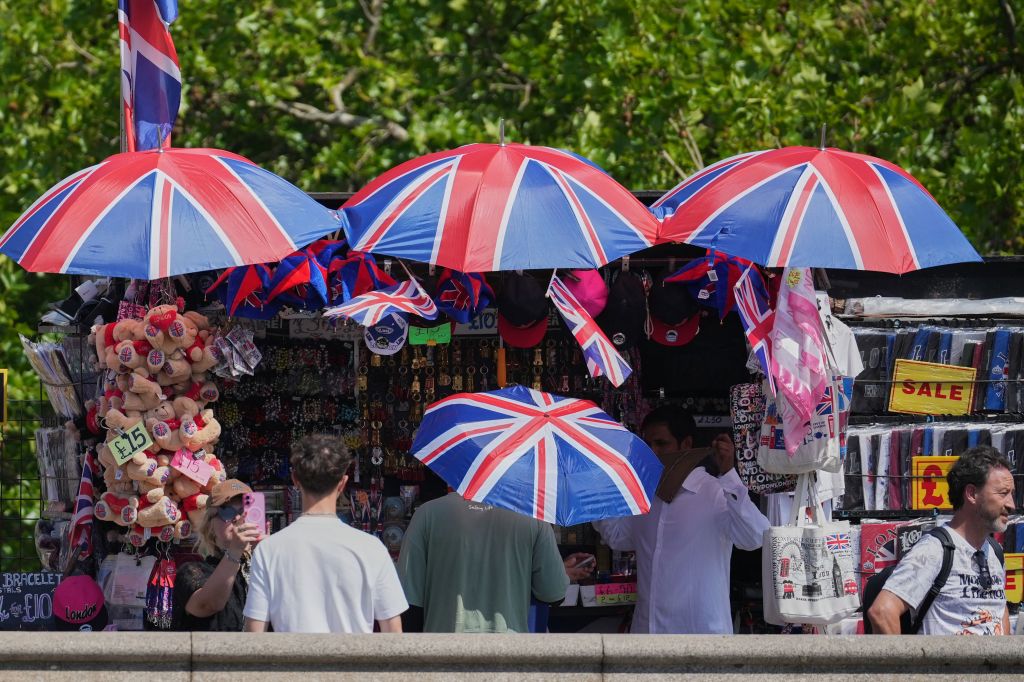
On June 24, an event held in London, UK, titled “Severe Heatwaves: Enhancing Global Governance and Bolstering Responses,” was called off because of the extreme heat it sought to highlight. This gathering was a component of “London Climate Action Week,” which attracted around 70,000 attendees. Organizers mentioned, “The venue (the Shaw Library at the London School of Economics and Political Science), similar to many structures in London, does not have any cooling systems.”
A heatwave that started in Western Europe on June 22 has moved throughout the continent, bringing back worries about energy. Usage has increased, while nuclear and gas-powered plants—reliant on cooling water—have decreased their production. Scholars have once more attributed the heatwave to climate change, leading to lively debates about energy response plans.

◇Temperatures Rise to 40°C…Insufficient Cooling Facilities
The UK’s Met Office stated on June 25 that temperatures in Somerset climbed to 36.4°C, surpassing the previous June record. In Paris, France, temperatures surpassed 40°C, while the Netherlands issued its first-ever red heatwave warning on June 26. Switzerland’s weather service noted that Basel, located in the north, recorded 38°C, establishing a new June high. On June 26, temperature forecasts for Germany indicated a potential rise to 40°C, with weather alerts issued across much of the Czech Republic.
The susceptibility of Europe to heatwaves is due to the fact that most homes do not have air conditioning, and numerous public buildings and transportation systems also lack cooling infrastructure. Matthew Donen, a research analyst at Morningstar, stated to CNBC, “More than 85% of EU structures were built before the year 2000, and many were not created to handle today’s climate issues. The necessity for upgrading these buildings to lower cooling requirements and enhance energy efficiency is increasing.”
◇Academia: “Looking Back, This Could Seem Interesting”
Scientists highlighted that this heatwave “could not have happened without the climate crisis driven by burning fossil fuels.” The World Weather Attribution (WWA) examined historical temperature data from more than 800 European cities and confirmed on June 26 that this heatwave was the worst ever recorded. The organization noted, “Such an intense heatwave would not have occurred without climate change,” and mentioned, “The El Niño event did not affect this heatwave.” Previous June temperature peaks during El Niño years were typically around 3°C lower.
The circumstances are anticipated to deteriorate. Dr. Sihador Kepping, an expert in extreme weather from Imperial College London, stated to *The Guardian*, “This heatwave will be remembered as the most intense and extensive in history.” He mentioned, “In the last 50 years, global temperatures have increased by 1.1°C, greatly raising the chances of such heatwaves.” Researchers cautioned that without immediate climate measures, upcoming heatwaves will be much more severe, and “this summer might seem mild compared to what’s to come.”
◇The Energy System in Europe Faces Pressure
With the ongoing heatwave, electricity demand has increased while power plants have decreased their production, leading to a sharp rise in wholesale electricity prices across Europe. As reported by the *Financial Times* (FT), about 70,000 homes in Brittany, France, faced power outages because of the extreme heat. EDF, the national utility company, lowered its nuclear power output as river temperatures climbed. In the UK, five large gas-powered power stations reduced their generation due to challenges with cooling systems.
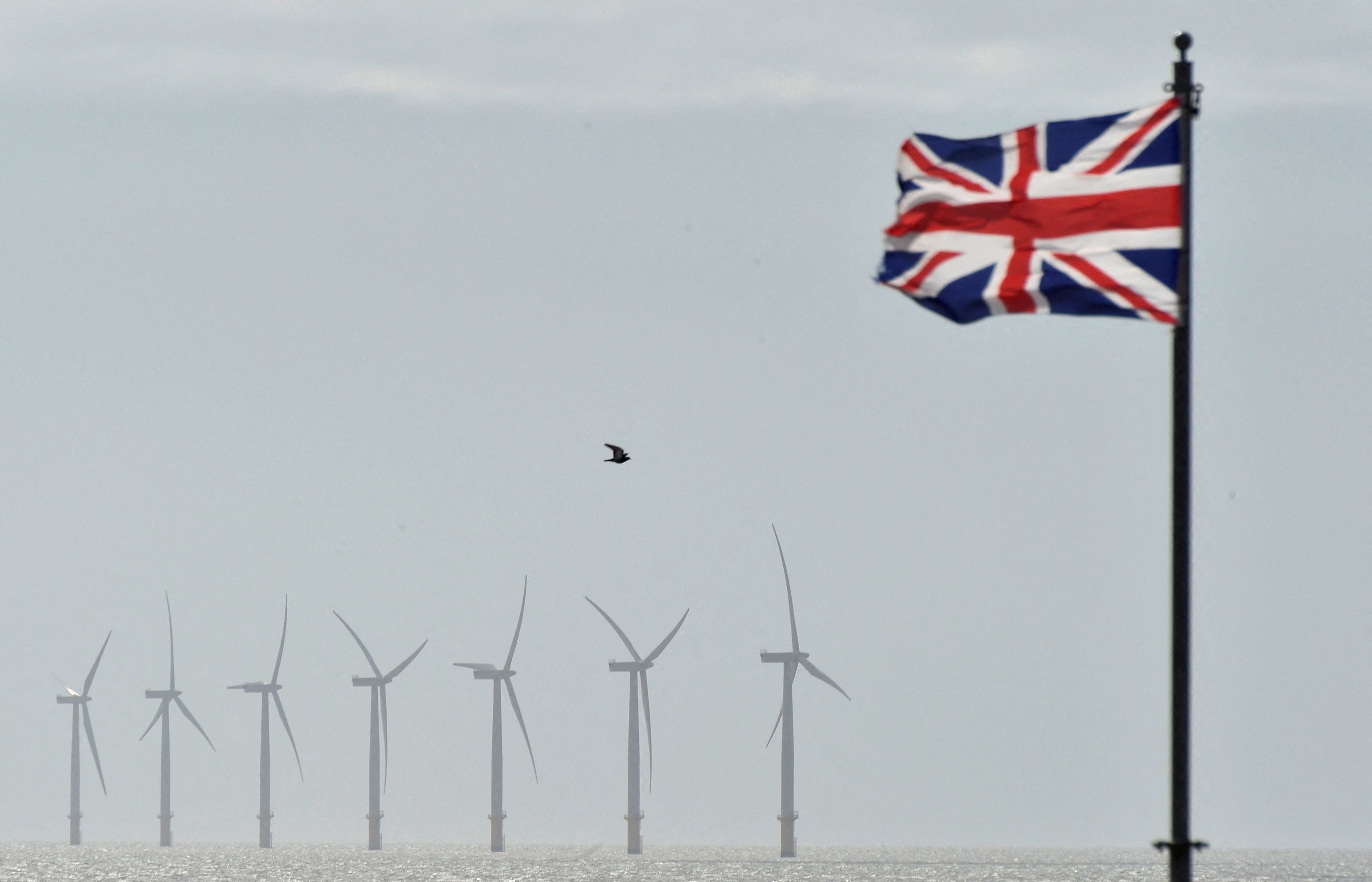
In the UK, where wind energy makes up 30% of overall electricity production, low wind speeds during the heatwave and increased demand led the country to pay £1,379 per megawatt-hour (MWh) to import power from mainland Europe on June 24—15 times the typical rate. Montel, a European energy market data company, noted that German electricity prices rose from €86 per MWh during the day to €566 per MWh in the evening on that day. High evening demand persisted as solar power output dropped significantly.
There is increasing demand to improve battery technology to address the difference in energy supply between day and night. Andreas Jahn, a power market expert with the Berlin-based NGO Regulatory Assistance Project, said to the *FT*, “Energy storage systems are the ‘missing piece of the puzzle.’” He further stated, “Widespread use of batteries could allow solar energy to run air conditioners during the night.”
Considering the expansion of offshore wind energy is also being explored. Amisha Patel, Secretary-General of the Global Offshore Wind Quest (GOWQ), mentioned to this newspaper last month, “Offshore wind enhances solar power by producing more electricity during the night and in winter.” She attended the UNFCCC Climate Week in Yeosu in April and stated, “Nations in the Asia-Pacific region, such as South Korea, are keen on increasing offshore wind capacity. We need to discover methods to tackle rising energy demand caused by climate change.”




 jasdooit
Leave a comment