
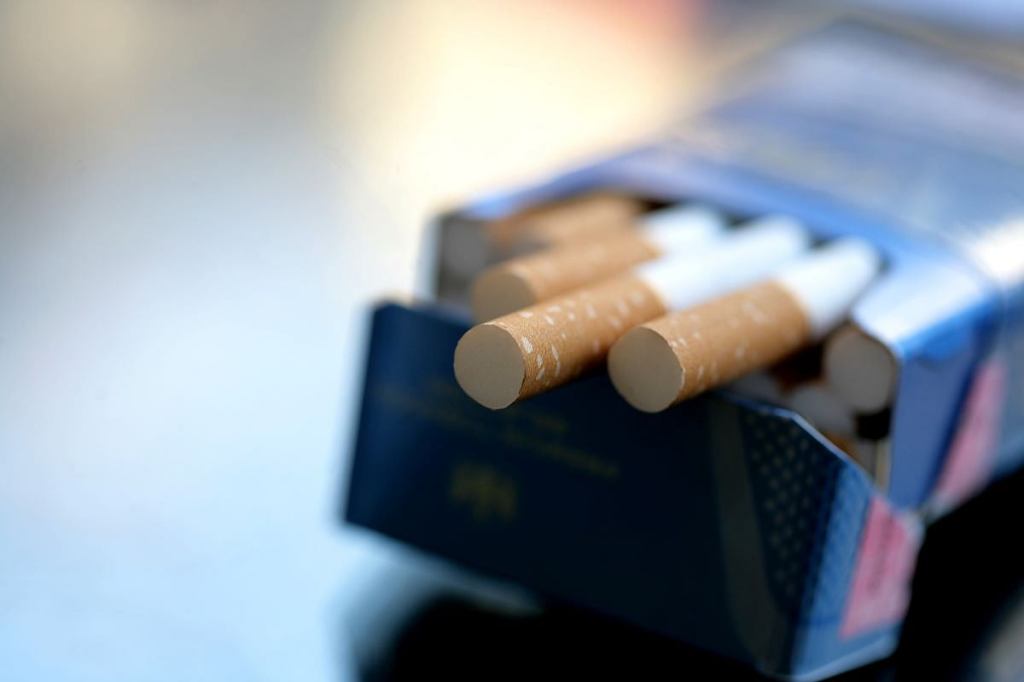

THURSDAY, July 16, 2026 (HealthDay News) — Individuals who were assigned to smoke cigarettes with very low nicotine content (VLNCs) showed little evidence of compensating for the lower nicotine levels, according to a review published online on July 15 inJAMA Network Open.
Rachel L. Denlinger-Apte, Ph.D., M.P.H., affiliated with the Wake Forest University School of Medicine in Winston-Salem, North Carolina, and her team investigated if individuals who smoke might boost their cigarette consumption to offset lower nicotine intake when using very low-nicotine cigarettes over extended periods. Information was gathered from 17 randomized controlled studies published between 2010 and 2024, involving 5,500 adolescents and adults who smoked cigarettes either daily or occasionally. A group of 2,454 participants from seven of these studies was part of the combined meta-analysis.
The scientists discovered that in trials where participants were given VLNCs or standard nicotine content cigarettes (NNCs), no studies observed a rise in the average number of cigarettes smoked or carbon monoxide (CO) levels by the end of the intervention. After six weeks from randomization, it was estimated that 0.8 percent of participants might experience an increase in smoking, with a peak expected rise of 3.3 cigarettes per day; 8.1 percent might see higher CO exposure, reaching up to 4.2 parts per million if they were assigned to VLNCs instead of NNCs.
“Smoking cigarettes has reached a historic low, marking a significant public health achievement, yet there are still 25 million individuals who continue to smoke,” Denlinger-Apte stated in a release.
Multiple writers have revealed connections to the biotech sector.






Leave a Reply