
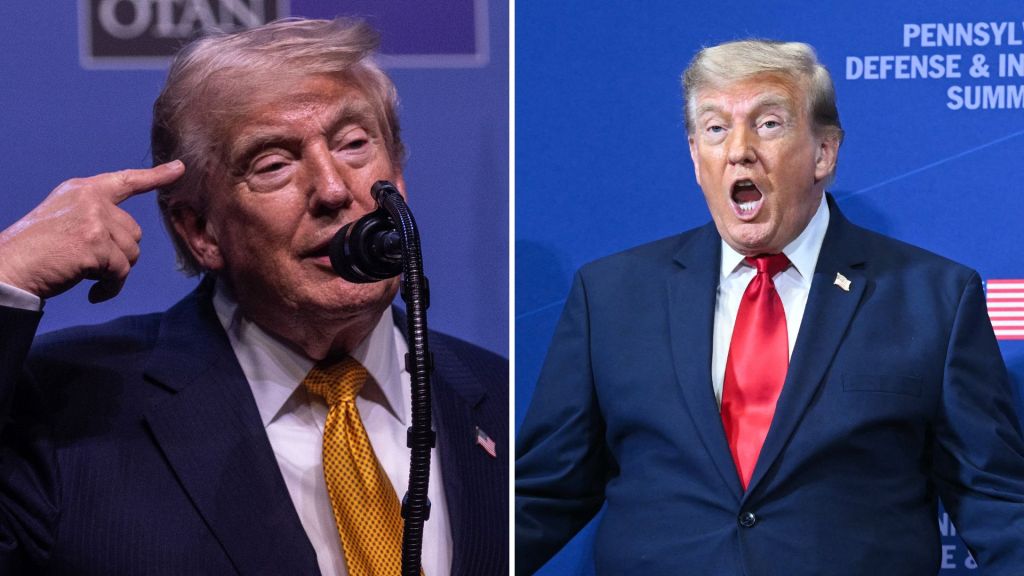
The recent revelation of Donald Trump’s $2.2 billion income, along with the magnitude of his stock and cryptocurrency assets, has drawn increased attention from ethics specialists, government monitors, and political opponents who believe that the financial dealings of a current president should be subject to heightened public review. This discussion has gained fresh energy after a CNN investigative piece, which found that Trump acquired shares in over 20 companies prior to publicly endorsing several of those same firms on Truth Social in 2025. As per CNN’s findings, some of these promotional messages were posted just days after the stock acquisitions, and in certain instances, they aligned with official government announcements that favored the companies in question. The report has reignited concerns about potential conflicts of interest, despite the White House and Trump’s representatives asserting that his investment actions adhere to relevant legal and ethical guidelines.
In response to criticism, Trump recently dismissed claims that his investment portfolio was affected by his position as president or by confidential government information. He stated that the assets are managed separately and emphasized that he does not directly participate in specific trading choices. Explaining what he called a distinction between himself and the portfolio, Trump said, «My son Eric is in charge. I don’t discuss matters like this with him.» He also defended the legality of the setup while addressing concerns about his increasing wealth, saying, «There’s nothing illegal, there’s nothing wrong with it.» Trump added that although he could choose to oversee each investment personally, he intentionally refrains from doing so. He recognized that almost any financial activity involving his family is likely to lead to accusations of benefiting from insider information since presidential decisions impact nearly every part of the American economy.
The claims discussed in CNN’s coverage originated from a comprehensive review that utilized artificial intelligence to compare Trump’s annual financial disclosure documents with hundreds of posts made on Truth Social during the year. As reported by CNN, this analysis found at least 44 cases where Trump had bought stock in a company before making positive remarks about that company, its leaders, or its products. CNN noted that many of these purchases involved prominent technology and manufacturing companies, with investments frequently amounting to hundreds of thousands or even millions of dollars. The investigation also found that several of these transactions and subsequent promotional messages took place closely together, forming a pattern that caught the attention of ethics experts and led to renewed discussion about whether current conflict-of-interest protections are sufficient for presidents who maintain significant private investment portfolios.
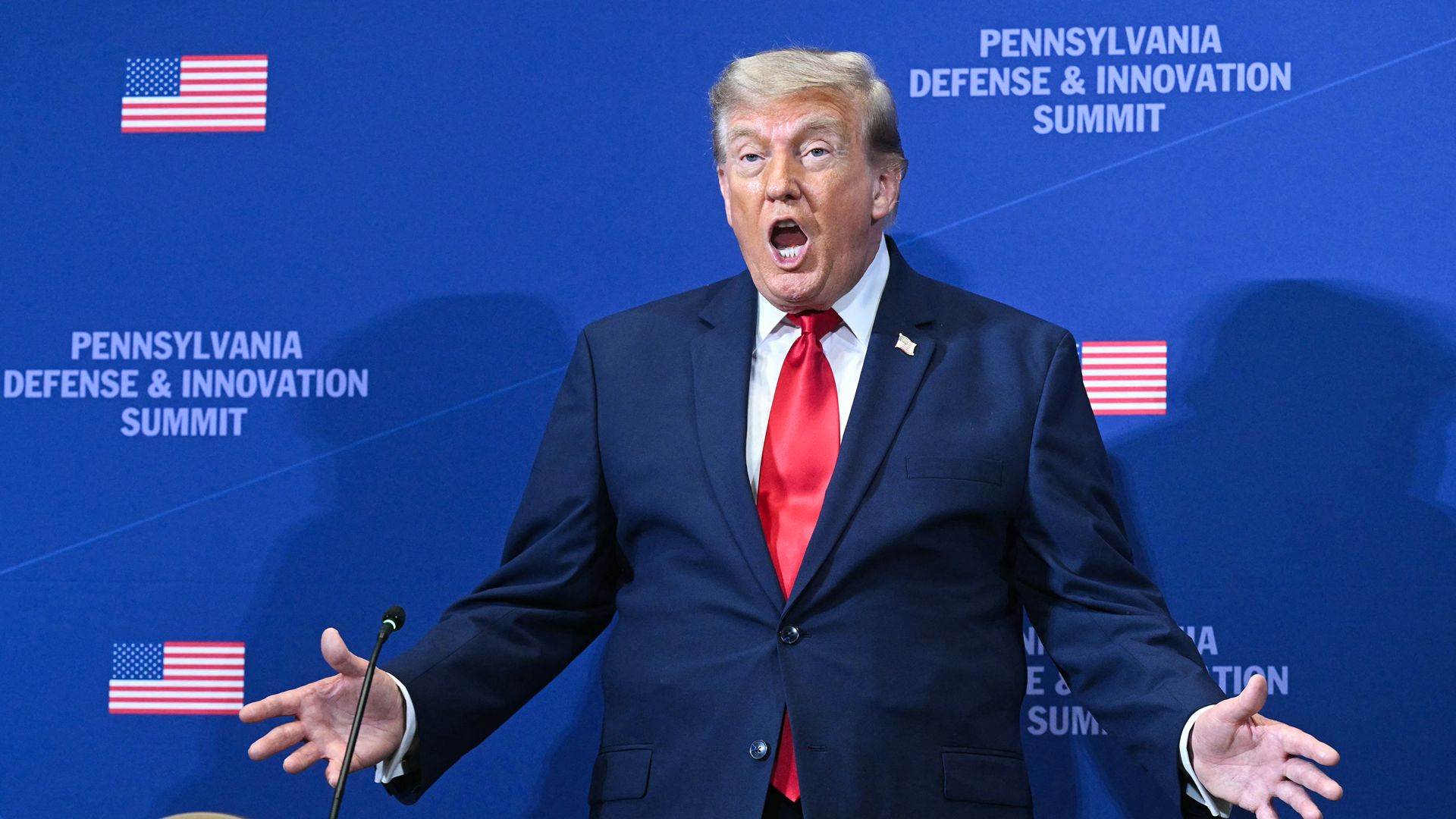
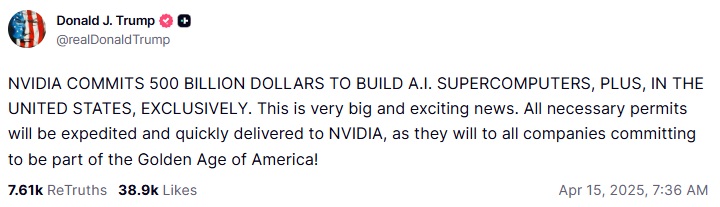
CNN’s investigation also identified several cases where the timing of stock purchases, public endorsements, and later government decisions seemed unusually close. According to the report, Trump bought shares in major technology companies prior to the Commerce Department’s announcement of changes that eased certain chip export restrictions impacting companies like Nvidia and AMD. CNN also noted instances where Trump publicly praised companies such as Apple and Dell shortly after acquiring stakes in them. The network did not assert that the timing indicated wrongdoing or that the policy decisions were made to benefit Trump’s investments. Rather, its reporting suggested that the recurring pattern of investments, positive public statements, and government actions raised important ethical concerns that warrant further public examination. Opponents argue that even the perception of a potential conflict can erode public trust when the president has significant financial interests in industries directly influenced by federal policies.
Spokespersons for Trump strongly denied any claim that the president personally directed or managed the transactions mentioned in CNN’s report. They noted that all buy and sell actions were carried out by independent third-party financial managers who have complete authority over the portfolio without receiving guidance from Trump or his family on specific trades. According to these representatives, neither Trump nor his relatives have direct control over the particular companies being bought or sold, and the investment managers function independently based on pre-set guidelines. The White House has also highlighted Trump’s repeated assertions that he does not discuss individual investments with those managing the portfolio, stating that this separation is designed to avoid conflicts between presidential duties and personal financial interests. Officials in the administration assert that the setup meets all relevant legal standards and dismiss allegations that presidential decisions were affected by investment factors.
The CNN investigation has further fueled an ongoing discussion in Washington about the financial interests of public officials and whether current ethics laws are sufficient to handle contemporary investment practices. Although federal conflict-of-interest rules typically exempt the president from certain criminal financial restrictions that affect other executive branch employees, ethics advocates have consistently maintained that presidents should voluntarily steer clear of situations that might suggest personal financial gain from official decisions. Trump’s recent statement, «There’s nothing illegal, there’s nothing wrong with it.» has become a focal point in this debate, with supporters asserting that legality should be the main criterion, while critics argue that maintaining public trust necessitates a more stringent ethical standard. As attention on Trump’s growing business ventures, investment portfolio, and cryptocurrency assets persists, CNN’s findings are expected to continue playing a role in the broader national conversation about transparency, presidential ethics, and the link between public office and private wealth.
Made by people, with the help of artificial intelligence.
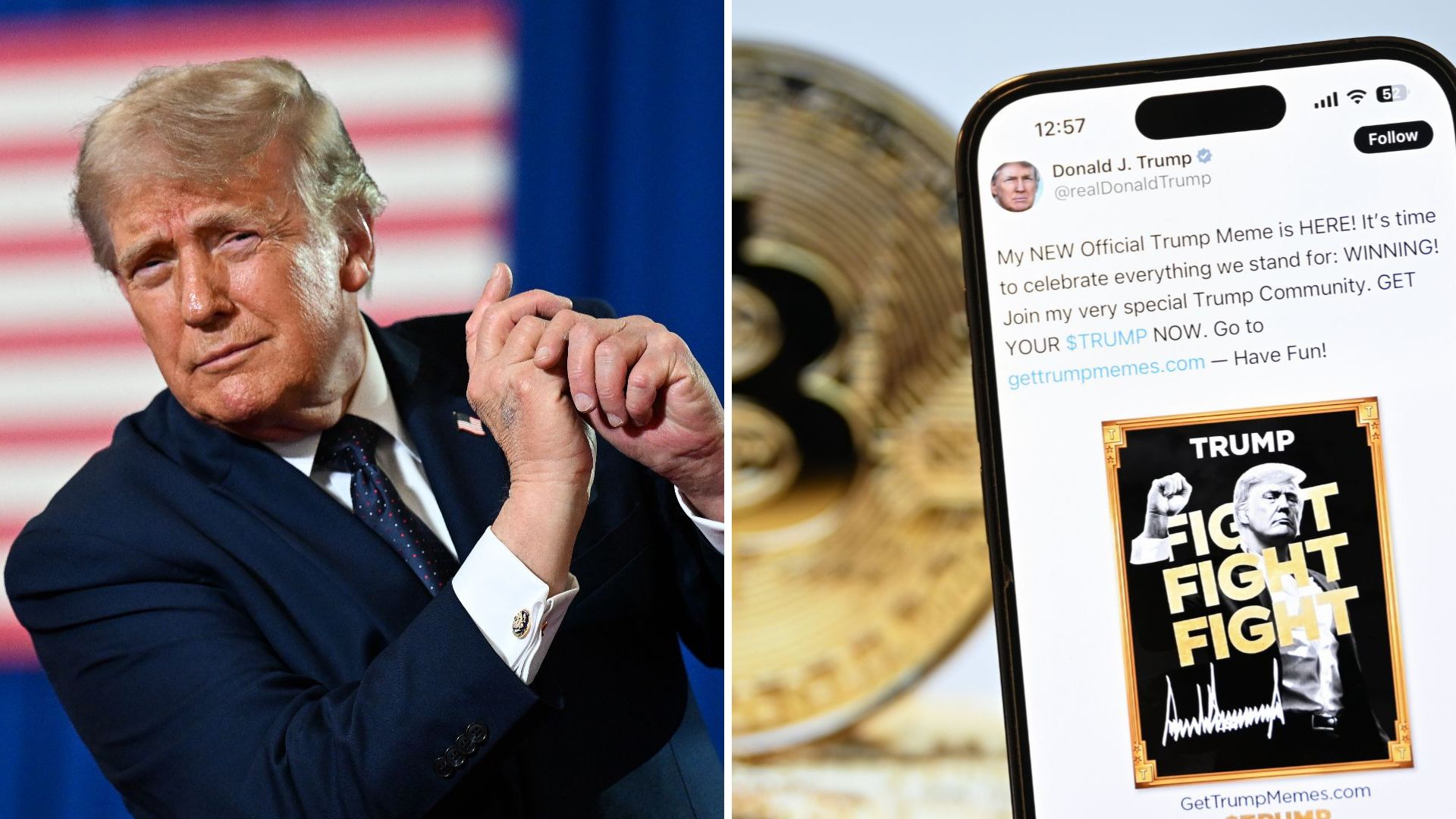 Trump increases his fortune by $2.2 billion since returning to the White House
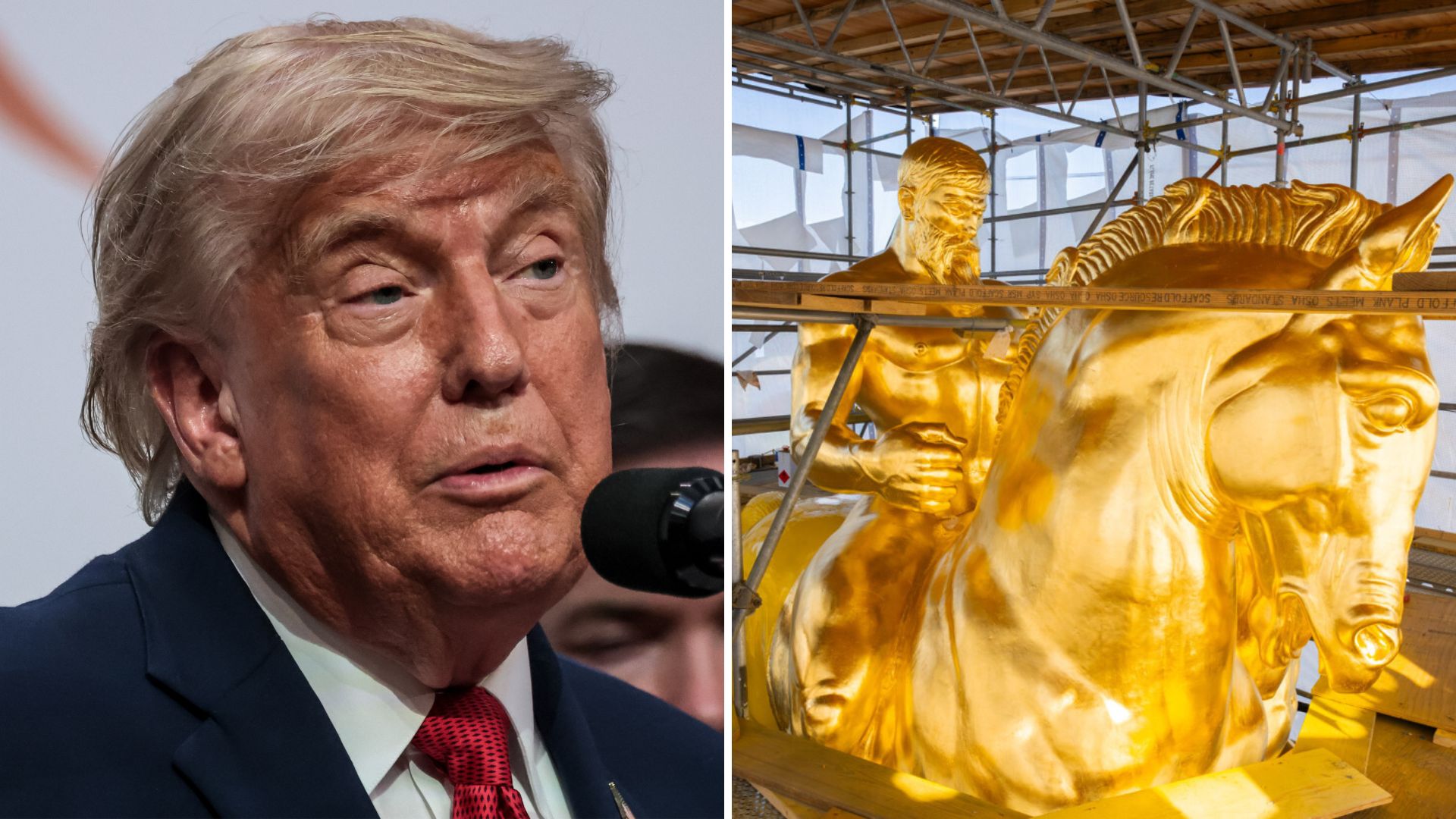 Trump’s fascination with gold statues resurfaces in a new post on Truth Social


 jasdooit
Leave a comment