
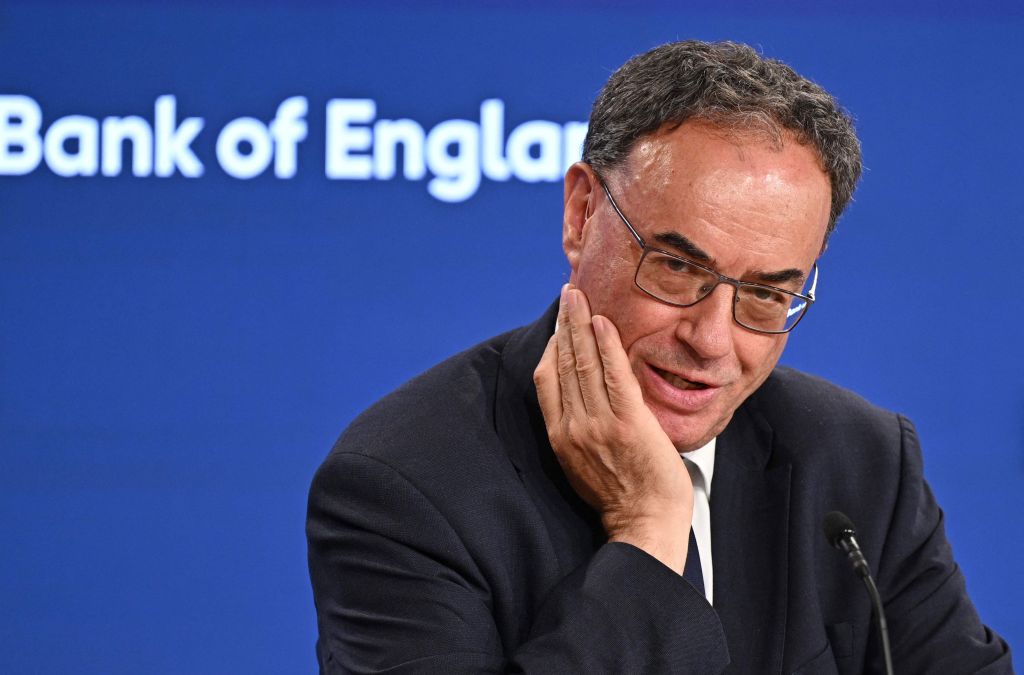
Asian semiconductor stock fluctuations, particularly from South Korea, are causing turbulence in London’s financial area. As per a July 29 report from the Financial Times (FT), the Prudential Regulation Authority (PRA) under the Bank of England (BoE) has started examining the risks associated with Asian stocks held by investment banks and hedge funds based in London. This initiative seeks to avoid over-concentration of investments in a limited number of AI-focused Asian companies.
The Financial Times stated that institutional investors, including hedge funds based in the UK, have invested heavily in Asian artificial intelligence companies like SK Hynix from South Korea, TSMC from Taiwan, and Cambricon Technologies from China. Nevertheless, it pointed out the danger that a significant drop in these stock prices might affect major banks, possibly leading to a series of defaults.
This financial setup resembles the 2021 failure of Archegos Capital, a hedge fund established by Korean-American investor Bill Hwang (known as Hwang Sung-guk in Korea), which resulted in the collapse of Credit Suisse (CS). Archegos utilized derivatives to borrow as much as five times its capital for investments in Chinese stocks and other assets. As these investments lost value, the subsequent defaults played a significant role in CS’s downfall.
◇Bank of England Focuses on Hedge Funds with Heavy Investments in Asian AI Stocks
With the rising value of AI infrastructure companies, hedge funds quickly moved to invest, expanding their positions and using more leverage. The issue is that these stocks can drop just as rapidly as they climb. The FT highlighted SK Hynix’s 15% decline on July 28, which wiped out more than 100 billion dollars in market value within a day, as a potential risk. It also mentioned the 466% increase in Chinese semiconductor company ChangXin Memory Technologies (CXMT) during its Shanghai listing on July 27, which might result in a significant downturn.
The Bank of England’s focus is on the risk of spreading effects. Should highly leveraged investments in these stocks suffer significant losses, clients might fail to meet their obligations, and these losses could affect banks. The Financial Times reported that the BoE is keeping an eye on whether clients utilizing derivatives (options) are boosting their leverage or if hedge funds are drawing in short-term individual funding from Asia. The aim is to determine how much of this unstable capital might quicken a financial crisis.
If the risks are considered too high, the Bank of England might increase liquidity standards for banks, according to the Financial Times. It could also send warning notices to financial institutions or conduct public meetings with senior supervisors.
◇Past Repetition of the Archegos Crisis
In 2021, Archegos Capital, headed by Bill Hwang, placed a $50 billion bet—five times its $10 billion in capital—on a few Chinese and U.S. media stocks through total return swaps (TRS). TRS enables investors to manage larger positions by having banks own the underlying assets, with gains and losses transferred to the client. This mechanism significantly increases leverage.
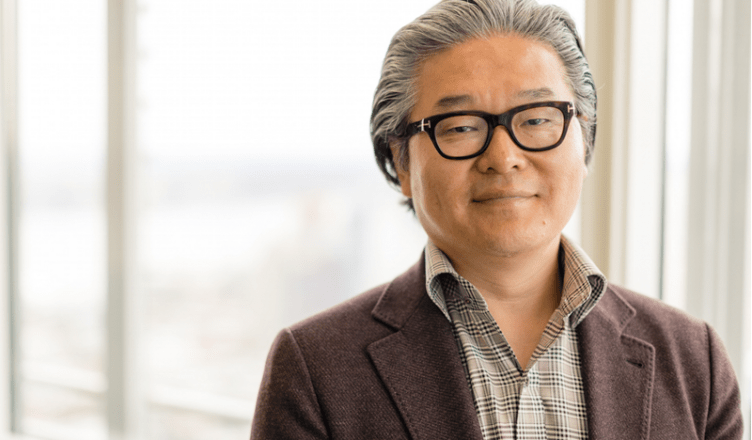
Archegos spread its transactions among various banks, yet the TRS system ensured that no individual institution could perceive the entire extent of the risk involved. When ViacomCBS stock dropped in March 2021, margin calls compelled Archegos to settle its positions. It collapsed quickly, resulting in a loss of about 20 billion dollars (26 trillion Korean won).
The consequences affected banks that had provided loans to Archegos. Global investment banks experienced total losses surpassing 10 billion dollars (15 trillion Korean won). CS alone incurred a loss of 5.5 billion dollars (7.6 trillion Korean won), which played a role in its 2023 acquisition by UBS. Nomura Holdings suffered a loss of 2.85 billion dollars, whereas Goldman Sachs and Morgan Stanley minimized their losses by swiftly selling off collateral.
Bill Hwang received an 18-year prison sentence in November 2024 due to charges of fraud and manipulating the market.
◇Differences compared to the Archegos Crisis
The downfall of Archegos was caused by one fund’s heavy investments. Unlike that situation, the present scenario includes several hedge funds and private investors investing heavily in Asian AI stocks. Specialists believe that the spread of these investments lowers the chance of a major default if one party collapses. The BoE’s investigation is a preventive step to prevent another Archegos-like event, not a reaction to an existing problem.
The connection to the South Korean market is represented by SK Hynix. Domestic leveraged products linked to this stock increase its daily fluctuations, and global hedge funds’ leveraged bets on the stock may spread risks to banks based in London. Nevertheless, the BoE has not specifically focused on South Korea’s single-stock leveraged products during its investigations.
Nevertheless, dangers still exist. The UK hedge funds’ concentration on a limited number of Asian AI stocks, the utilization of off-market derivatives to increase leverage, and the scattered exposure among banks reflect Archegos’s model. A significant drop in these stocks might lead to mandatory sales, increasing losses.
As per Goldman Sachs, the total leverage of global hedge funds reached a five-year peak of 294% of capital in June 2026, marking the biggest increase since 2016. This highlights the possibility of systemic risk.

 jasdooit
Leave a comment