
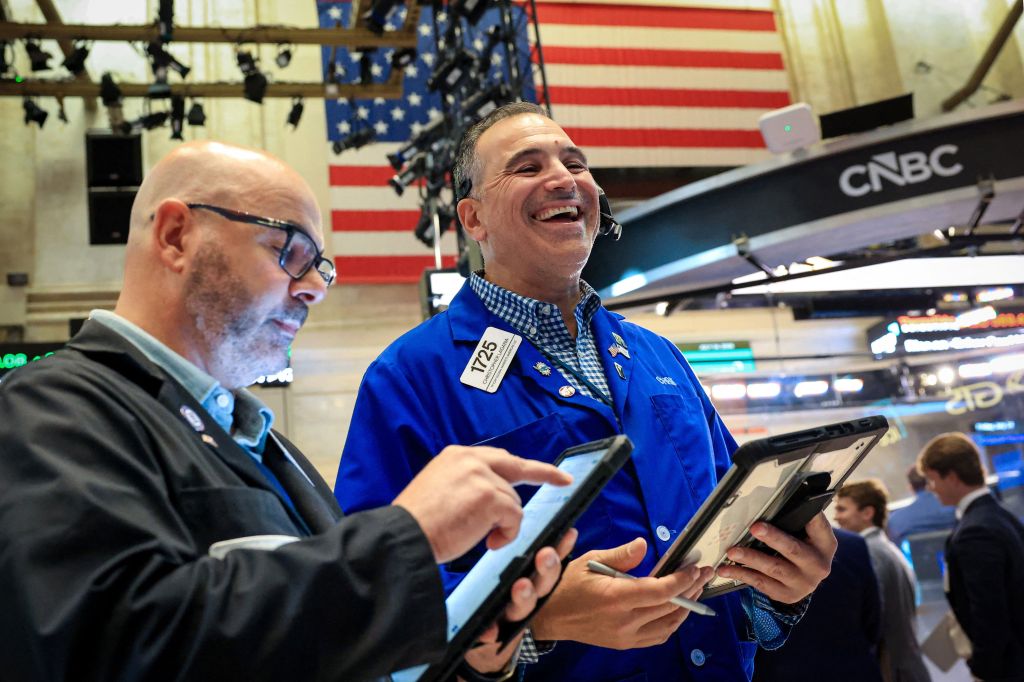
Semiconductor stock performance improved, boosting New York markets. Microsoft and Meta, which announced earnings the day before, experienced varied outcomes because of their investment strategies in AI (artificial intelligence). At the same time, U.S. Treasury yields kept increasing, particularly for medium- and long-term bonds, after the Federal Reserve chose to maintain interest rates.
On July 30, local time, all three major U.S. stock indices experienced significant increases. The Dow Jones Industrial Average increased by 1.2%, the S&P 500 rose by 1.7%, and the Nasdaq Composite climbed by 2.8%. The market was boosted by semiconductor stocks. NVIDIA went up 2.7%, AMD surged 13.0%, Broadcom moved up 4.7%, Intel increased by 11.3%, Micron jumped 18.4%, and SK Hynix, ADR, gained 17.5%. The Philadelphia Semiconductor Index, which includes 30 leading U.S.-listed semiconductor companies, rose 8.2%. Bloomberg reported, “The surge was driven by investors looking for deals, given expectations of additional gains.”
As major technology firms release their financial results this week, the market has clearly reflected investors’ attention on AI-related investments and their influence on earnings. Microsoft rose by 15.5% the day before, whereas Meta dropped by 8.0%. Microsoft kept its capital spending forecast for the year intact and highlighted that its AI initiatives are yielding positive outcomes, with Azure cloud revenue exceeding 100 billion dollars. On the other hand, Meta increased the lower bound of its capital spending projection but experienced a decline in net profits, leading to worries among investors.
U.S. Treasury yields declined further, with medium- and long-term bonds experiencing the biggest drops, after the Fed announced it would keep interest rates unchanged on July 29. This contrasted with Federal Reserve Chair Kevin Warsh’s previous statements regarding “unconditional measures to control inflation,” increasing concerns in the financial markets. As a result, the benchmark 10-year Treasury yield increased by 0.05 percentage points to 4.67%, while the 30-year yield rose 0.06 percentage points to 5.21%, reaching the highest levels since 2007.
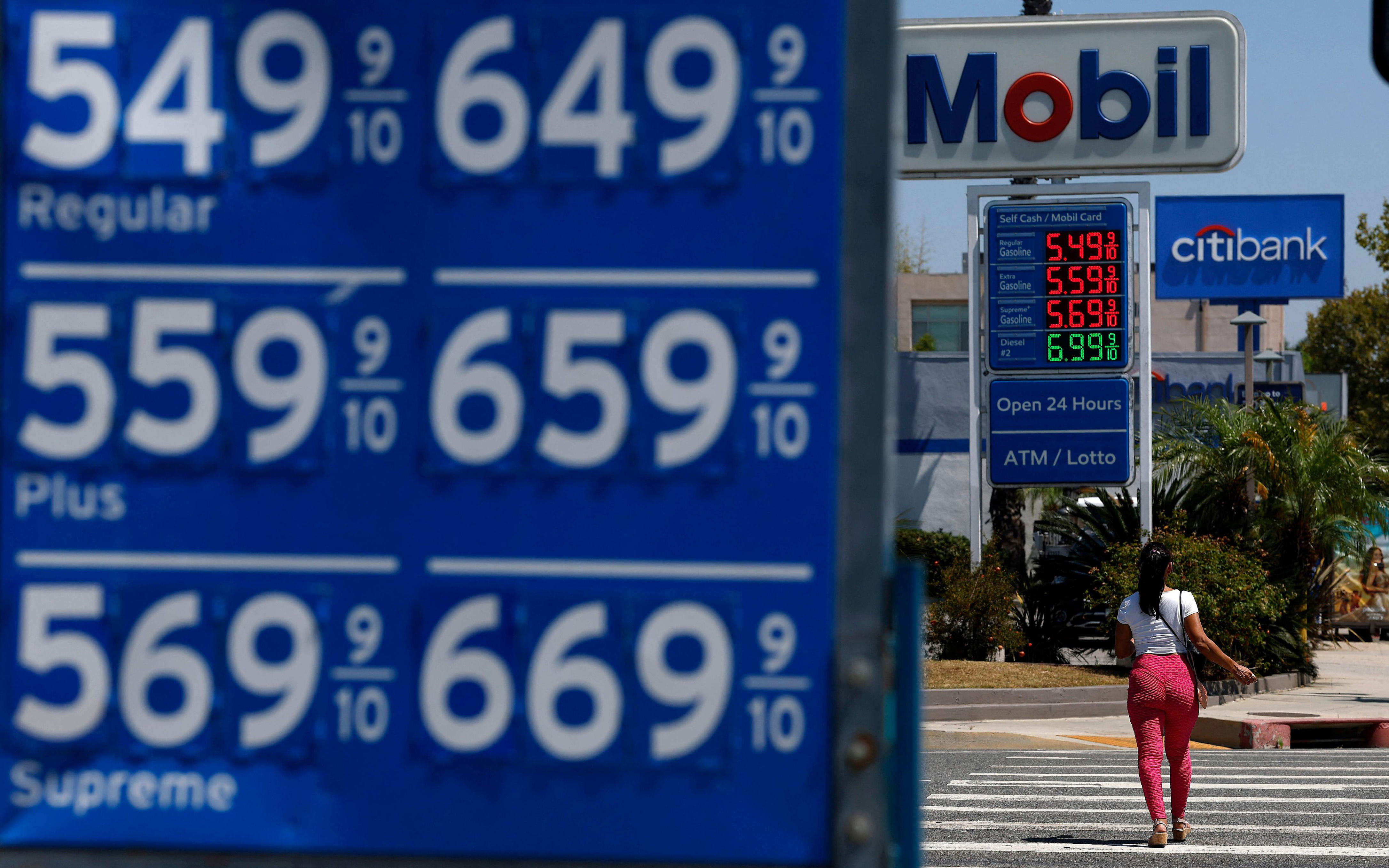
Global oil prices experienced a minor decline. Brent crude dropped 1.4% to $86.88 per barrel, and West Texas Intermediate (WTI) fell 1.0% to $83.59 per barrel. This development was linked to talks regarding the establishment of a multinational alliance, spearheaded by Saudi Arabia, aimed at maintaining free movement in the Red Sea.
In the meantime, U.S. inflation, which surged following the Iran conflict, has recently matched market predictions as oil prices declined. The Commerce Department stated that the Personal Consumption Expenditures (PCE) price index climbed 3.7% compared to the previous year. Core PCE, which excludes fluctuating energy and food costs, rose 3.3% over the same period, both figures in line with analyst projections. New claims for unemployment benefits during the week ending July 19–25 amounted to 197,000, less than the anticipated 200,000.




 jasdooit
Leave a comment