
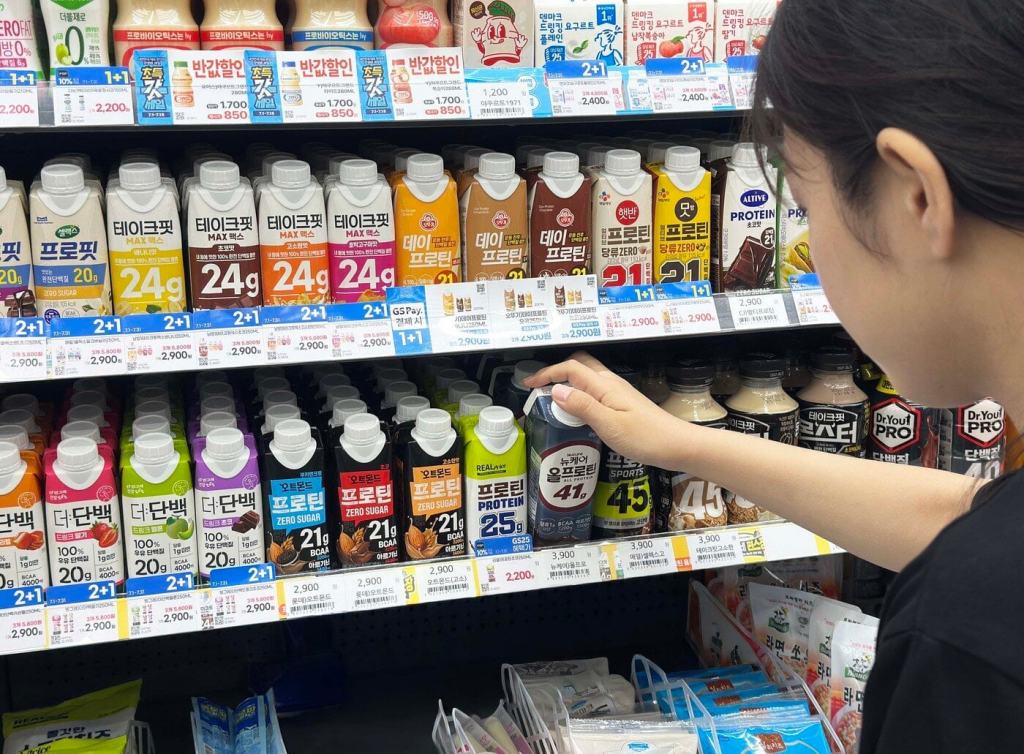
A new research finding indicates that regions with a greater number of convenience stores are associated with higher rates of hypertension among the local population, aligning with an increase in hypertension occurrences among individuals in their 20s and 30s.
A group of researchers from the **National Cancer Center** explored the connection between the number of convenience stores and the rate of hypertension in 250 cities, counties, and districts across the country. They used data from the 2022 Community Health Survey and the National Business Survey, and presented their results in the most recent edition of the international journal *Frontiers in Public Health*.
The research analyzed information from 227,819 individuals involved in the Community Health Survey. Findings indicated that the number of convenience stores across the country varied between 0.27 and 3.07 stores for every 1,000 people. The average rate of obesity was 30.98%, whereas the prevalence of hypertension was noted at 22.76%.
The study revealed that a greater number of convenience stores was associated with higher rates of hypertension. For each extra convenience store per 1,000 individuals, the prevalence of hypertension increased by 0.968%. No notable connection was found between the number of convenience stores and obesity levels.
The research group stated, “Convenience stores frequently offer ready-to-eat and processed foods that are rich in sodium, calories, and sugar, but provide limited fresh choices such as fruits and vegetables. Moreover, greater availability of alcohol and tobacco could lead to higher blood pressure.”
Professor Kim Byung-mi, affiliated with the Department of Health AI at the Graduate School of Cancer Science and Technology, **National Cancer Center**, remarked, “Convenience stores need to offer more nutritious choices such as low-sodium meal kits and make nutritional details readily available. There is a need for policy initiatives that establish food settings which facilitate healthy selections, rather than relying only on personal choices.”





Leave a comment