
Recent shocks have exposed how the middle class can fall through the cracks of the region’s safety nets, analysts say
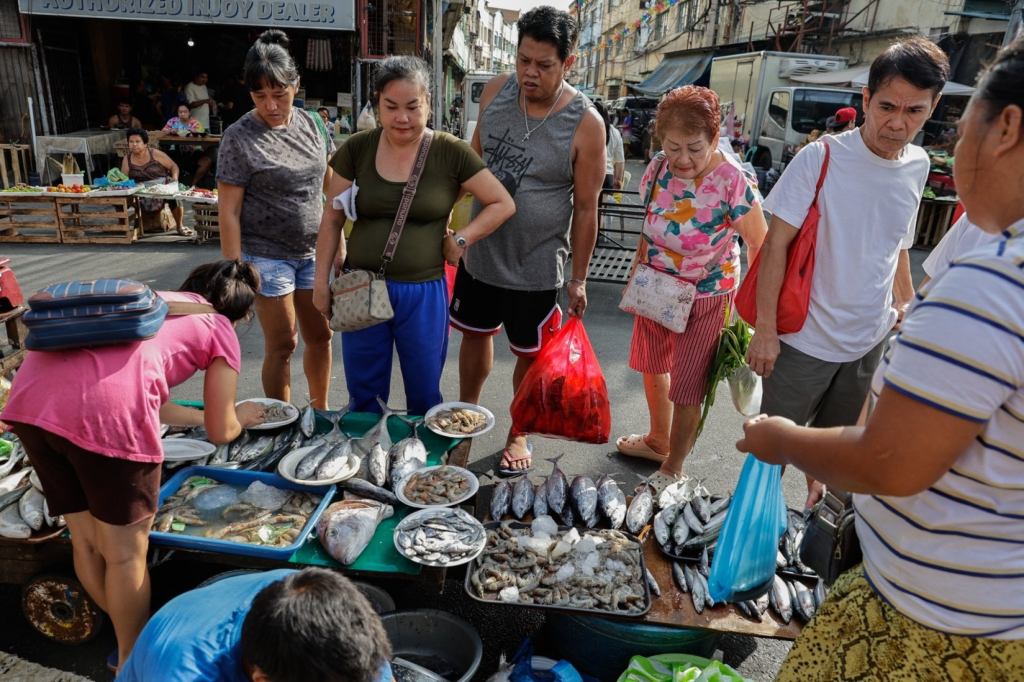
As households across Southeast Asia face rising prices, higher borrowing costs and insecure jobs, analysts say governments should do more to protect a middle class that drives consumer spending but can fall between the cracks of social protection systems designed primarily for poorer households.
The issue has come into sharper focus in the Philippines, where the Asian Development Bank Institute (ADBI) urged the government in September to provide targeted support for the middle class to protect its purchasing power and avoid a drag on economic growth.
Bambang Brodjonegoro, ADBI dean and CEO, said Philippine officials should focus their efforts on the middle class, which made up the bulk of household consumption.
Do you have questions about the biggest topics and trends from around the world? Get the answers with SCMP Knowledge, our new platform of curated content with explainers, FAQs, analyses and infographics brought to you by our award-winning team.
“For the Philippines to revive its economic growth, the attention needs to be on how to increase the purchasing power of the middle class and to not let the middle class shrink,” Brodjonegoro told local media on the sidelines of a forum on September 17.
The Philippines’ inflation rose to a four-month high of 7.2 per cent in September, adding to pressure on household finances.
“The Philippines is one of the most affected countries in the Asean region from the closure of the Strait of Hormuz due to its high oil import dependence that goes through the Strait and its twin energy and current account deficits,” said Maria Monica Wihardja, an economist and fellow of the ISEAS – Yusof Ishak Institute’s media, technology, and society programme.
The Philippines reflected a wider regional problem, Wihardja said, as governments faced difficult trade-offs between fiscal constraints and expanding social protection.
“Recent shocks have significantly affected the middle class because they are the income class that spend a lot on fuel, take loans and work in sectors that have been affected by a series of external shocks, but at the same time they are not covered by any safety net programmes unlike the poor and the vulnerable,” she said.
The problem matters beyond household welfare because middle-class consumption is an important source of economic growth.
“When middle-class households have to cut back sharply on consumption, growth can suffer,” Jose Ramon Albert, a senior research fellow at the Philippine Institute for Development Studies, said.
Albert said the Philippines had launched a social assistance programme called Uplift to ease recent price spikes, but it was designed for poor and low-income households.
“We do not have a programme designed for the middle class as such … a middle-class family hit by a shock may obtain help, but must seek assistance and undergo assessment,” he said.
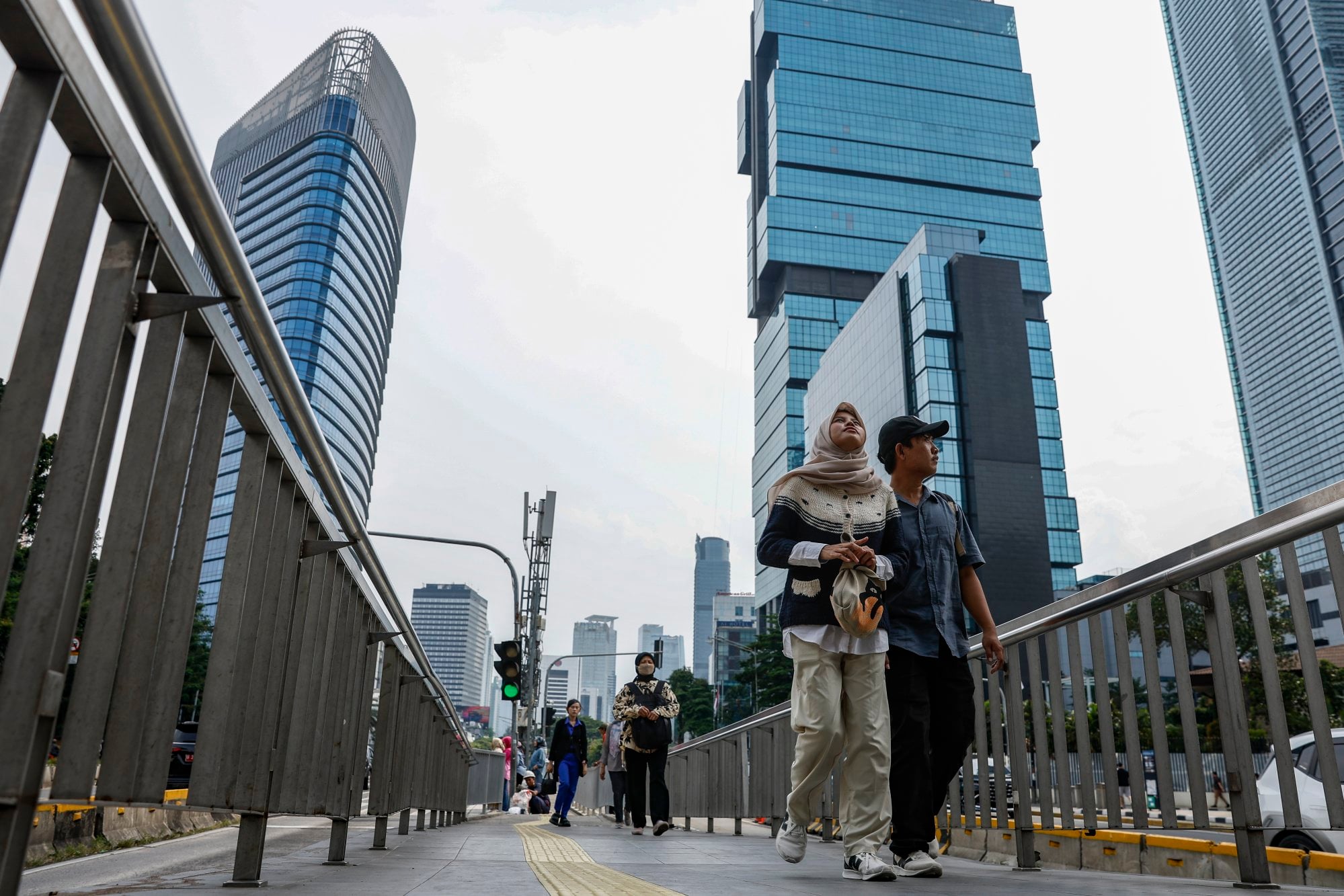
The issue is particularly visible in Indonesia, where the middle class has been shrinking, according to Wihardja.
Analysis by the Carnegie Endowment last October also pointed to protection gaps for the aspiring middle class, including exclusion from cash transfers, scholarships and subsidised health insurance. It found that households between the 50th and 80th percentiles saw real consumption fall between 2019 and 2022, while the bottom 20 per cent, supported by social protection, gained.
The experience highlights a broader question over whether assistance reaches households that are above the poverty line but remain vulnerable to shocks.
According to Albert, Indonesia and the Philippines share a basic vulnerability in that much of their middle class sits in the emerging segment, living on between US$8 and US$16 each day and remaining at risk of falling back into low income, while Vietnam’s middle class has a larger share at the higher end of the threshold.
“But income or consumption levels alone do not establish resilience. Assets, debt, insurance and job security also matter,” he said.
“The contrasts lie in the mix of exposures: how much household income comes from informal work or small enterprises, reliance on remittances, exposure to food and fuel prices, and access to insurance and other protection.”
For governments, the question is therefore not simply whether to create a new welfare category for the middle class, but how to make existing systems more responsive when households are pushed towards vulnerability.
Wihardja said protecting middle-class purchasing power through targeted means would be wise because this group was a key source of consumer demand for goods and services.
But assistance does not necessarily have to come through direct subsidies.
“It can be done by making sure that the quality, accessibility and affordability of public infrastructure and services, from transport to education, are improved so the middle-class households don’t have to opt for more expensive private services,” she said.
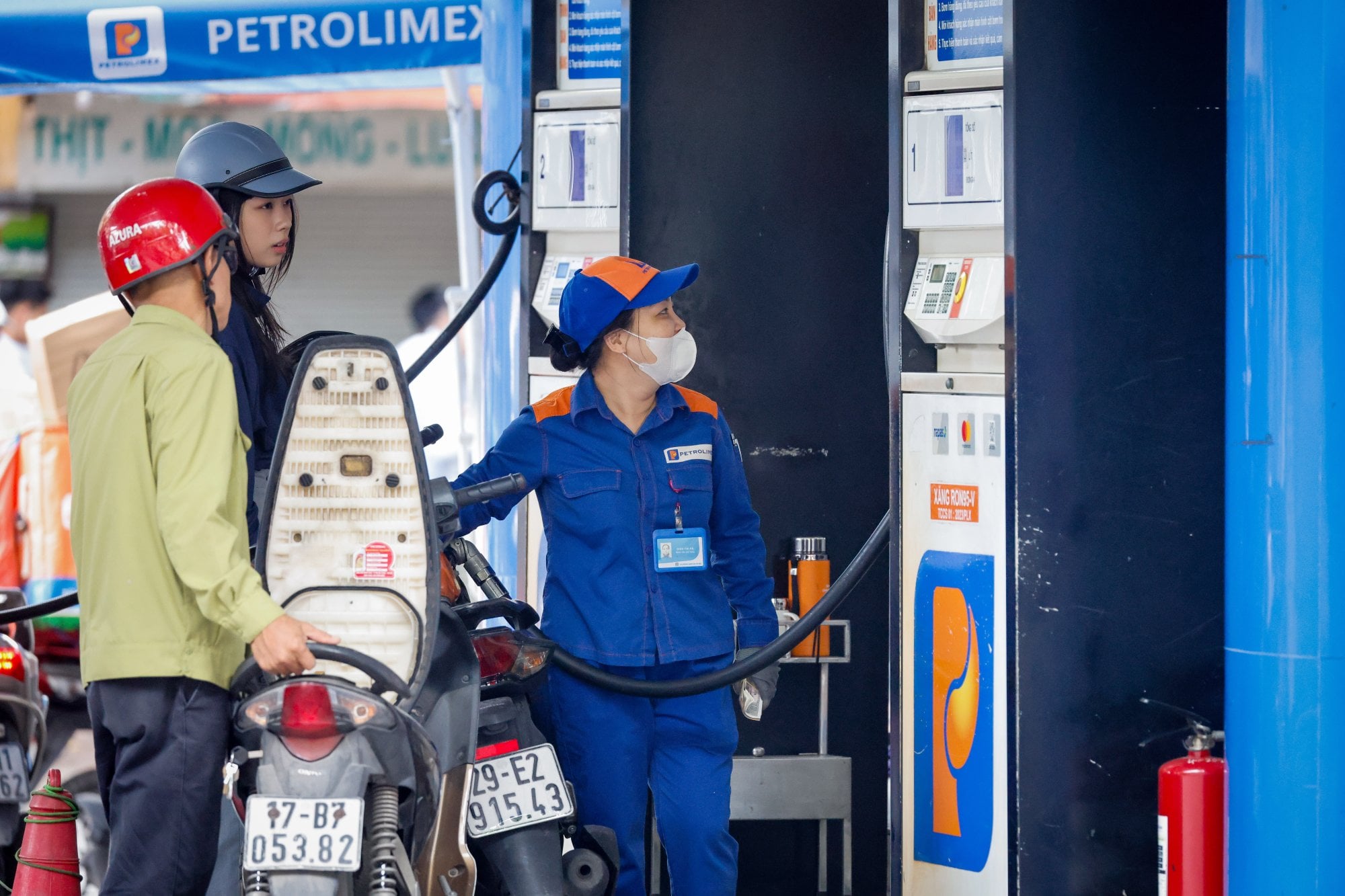
Vietnam offers an example of how broad-based measures can also benefit middle-income households.
The government has temporarily kept VAT at 8 per cent on most goods and services instead of 10 per cent, while public school tuition from preschool through high school became free nationwide from September 2025. Personal income tax deductions have also been raised, providing relief to eligible salaried families.
Different countries, however, face varying vulnerabilities.
“There are common global and regional patterns or causes of increasingly insecure middle class but there are also country-specific differences,” Wihardja said.
In Thailand, many middle-class households were burdened by high debt, while the Philippines remained heavily dependent on remittances from abroad, she said.
For regional governments, strengthening resilience means making access to basic services and protection against major risks available to larger groups beyond low-income households.
“When a crisis hits, governments should be able to extend temporary support quickly to those who need it, including middle-class households that are not poor in normal times but are pushed to the edge by a shock,” Albert said.
That meant broad social registries, clear eligibility rules, benefits that could expand when conditions deteriorated, and stronger social insurance for health, unemployment and old age, he said.
But short-term protection is only part of the answer.
Wihardja said governments also needed to focus on quality job creation, industrial upgrading, AI-related supply chains and the green transition, as technological change could affect jobs previously considered secure, including white-collar work in high-value services.
“At the macro level, middle-income countries need to have policies that can support structural transformation towards higher-value, higher-productivity sectors and jobs including skill- and knowledge-intensive industries,” she said.
More Articles from SCMP
Meet Stephanie Seymour’s daughter, Lily Brant, who made her runway debut at Paris Fashion Week
Trump urged Xi to talk to Takaichi and lift export curbs on Japan, sources say
More than 300 hopefuls sign up for Hong Kong’s Election Committee poll
US proposes US$70,000 fee for foreign students to work after graduation
This article originally appeared on the South China Morning Post (www.scmp.com), the leading news media reporting on China and Asia.
Copyright (c) 2026. South China Morning Post Publishers Ltd. All rights reserved.




Leave a comment