
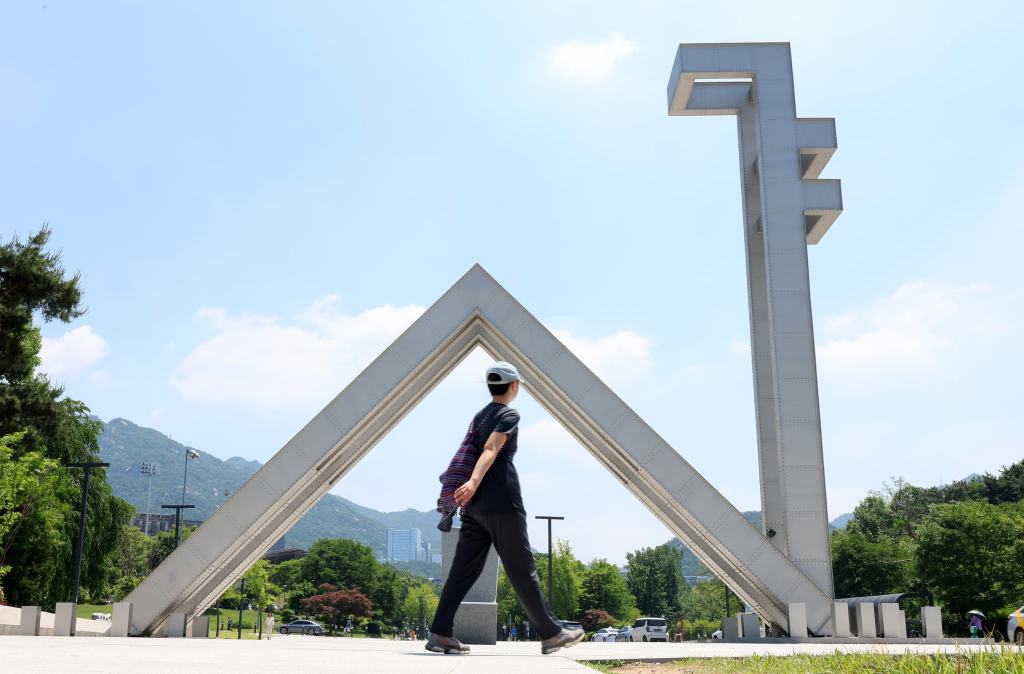
Seoul National University (SNU), which is electing its 29th president, has finalized three candidates: Professor Kang Joon-ho from the College of Education’s Department of Physical Education, Professor Choi Hae-cheon from the College of Engineering’s Department of Mechanical Engineering, Professor Lee Jae-young from the College of Humanities’ Department of English Language and Literature, 3 people.
The SNU Presidential Recommendation Committee (PRC) conducted a policy evaluation vote on October 7 for four preliminary candidates, and the results showed that Professors Kang Joon-ho, Choi Hae-cheon, and Lee Jae-young ranked 1st to 3rd. Professor Kim Hyun-cheol from the Graduate School of International Studies placed 4th and was eliminated from the presidential candidate list.
The PRC plans to recommend the three high-scoring individuals to the board of directors as presidential candidates. The board will then select one person through voting to become the final candidate. The candidate chosen by the board will be appointed as president by the president after being nominated by the Minister of Education. The term of the next president (four years) will begin in February 2027.
The policy evaluation panel, composed of SNU faculty, staff, and students, observed policy presentations and Q&A sessions by the four preliminary candidates at the Gwanak and Yeongeon campuses in the afternoon and conducted an electronic vote.
Meanwhile, SNU has confirmed that it is reforming its presidential election system to prevent the selection process from becoming a “network competition” influenced by internal connections rather than candidates’ policies and visions. The SNU System Innovation Committee submitted a governance reform proposal, including revisions to the presidential election system, to the administration on the same day.
According to the reform proposal obtained by this newspaper, the committee suggested reducing the number of PRC members—currently 30 people—and extending their activity period to more than two months to allow long-term verification of candidates’ policies and leadership. The proposal emphasized forming a small, elite PRC to thoroughly evaluate candidates’ leadership and visions for Korean society, higher education, and SNU.
The reform plan also included a measure to publicly disclose the PRC’s long-term evaluation reports to the policy evaluation panel in advance, using them as a basis for assessment. A source from the System Innovation Committee stated, “The PRC must be composed of individuals who can responsibly perform their duties,” adding, “The activity period should be extended beyond the current duration to allow for more deliberation.”
It is known that the System Innovation Committee has been researching this presidential election reform at the request of the SNU board of directors. Separately, the SNU administration is also reported to have formed a task force (TF) to prepare for reforms to the presidential election system.



Leave a comment